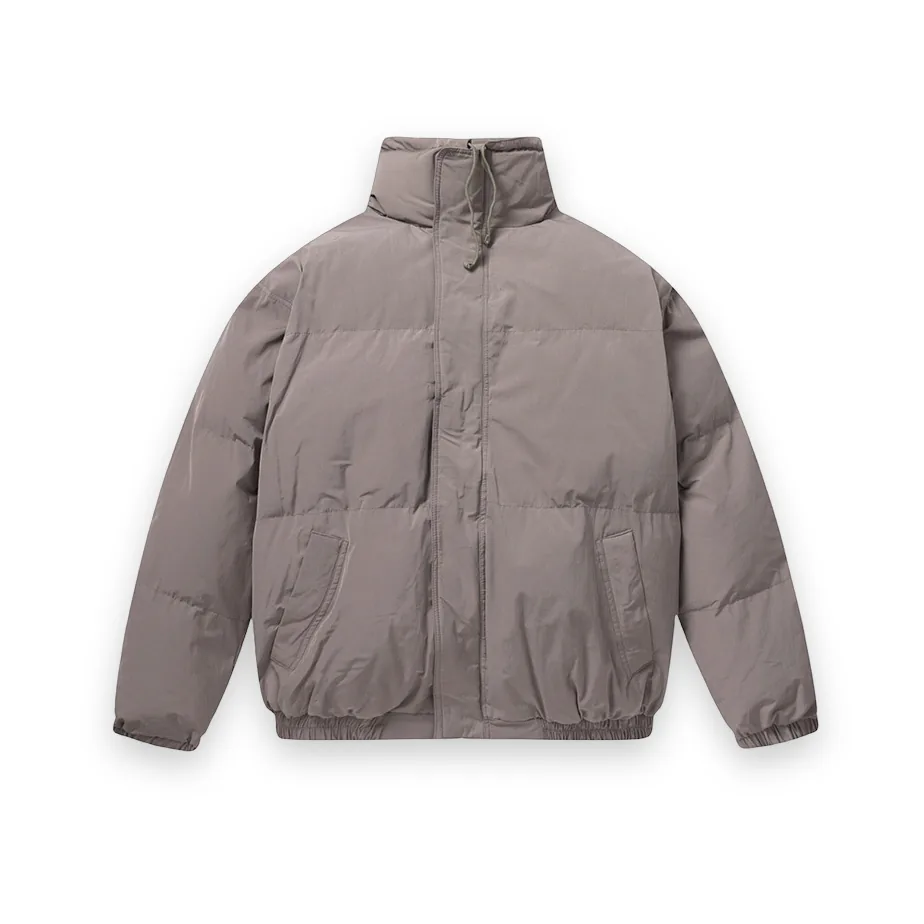
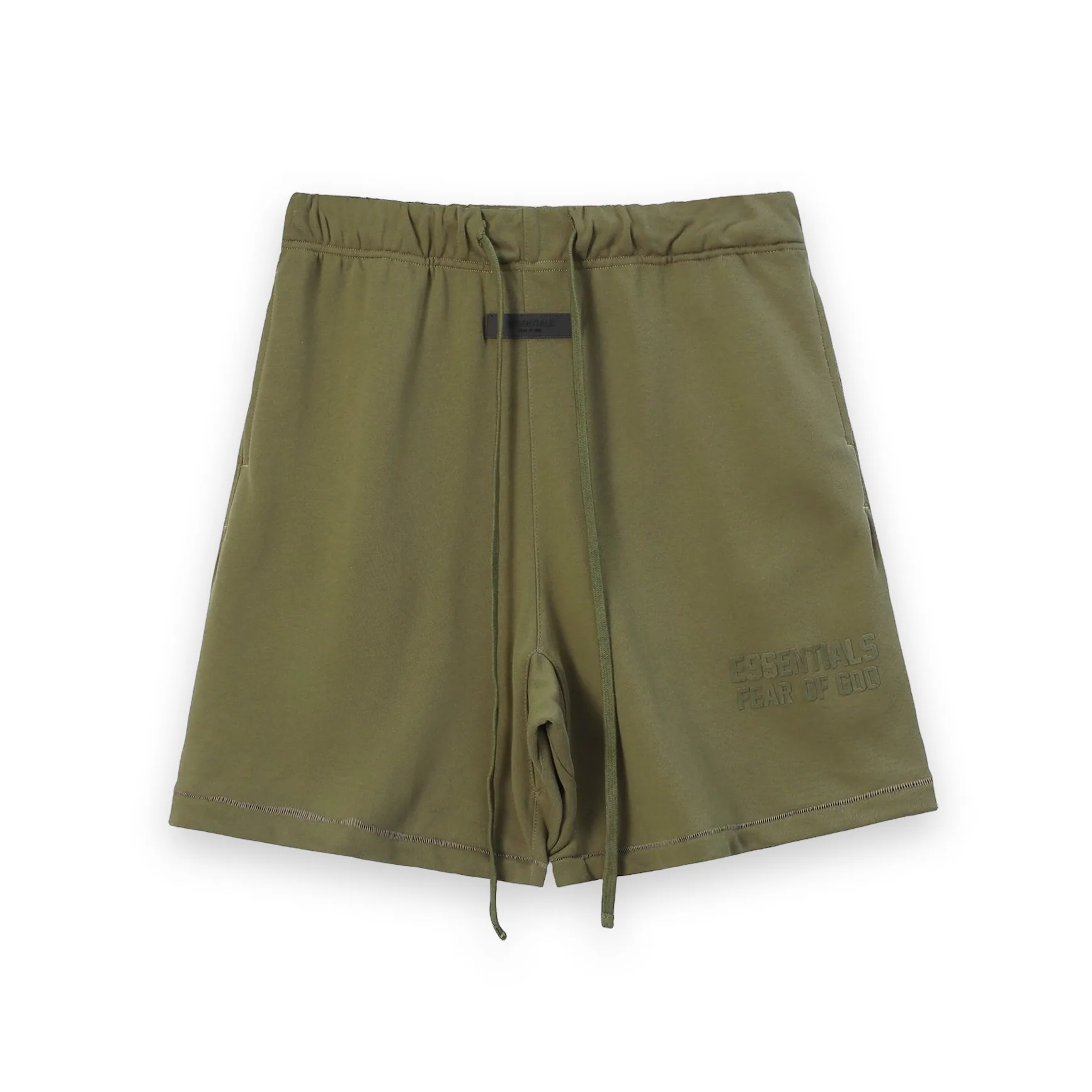
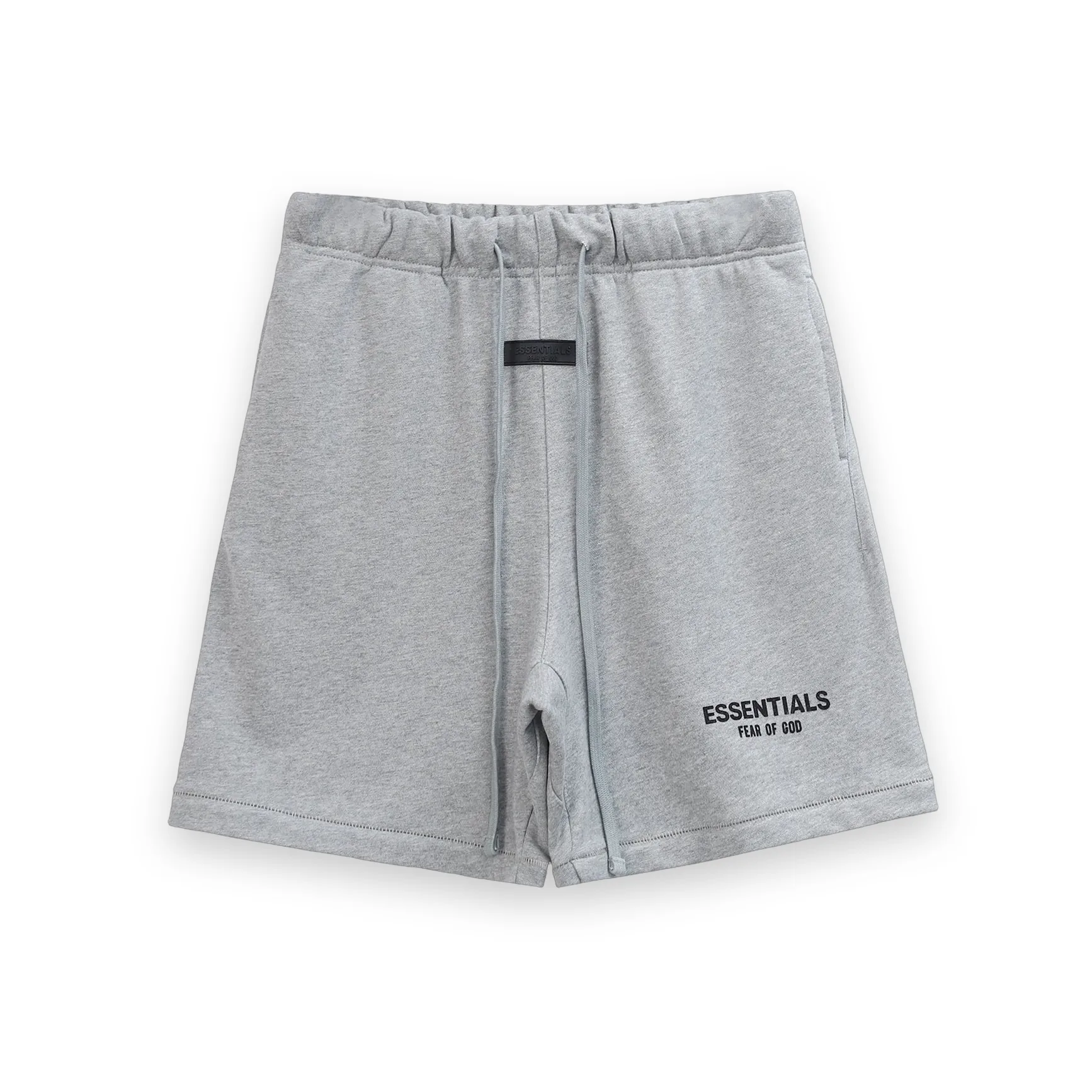
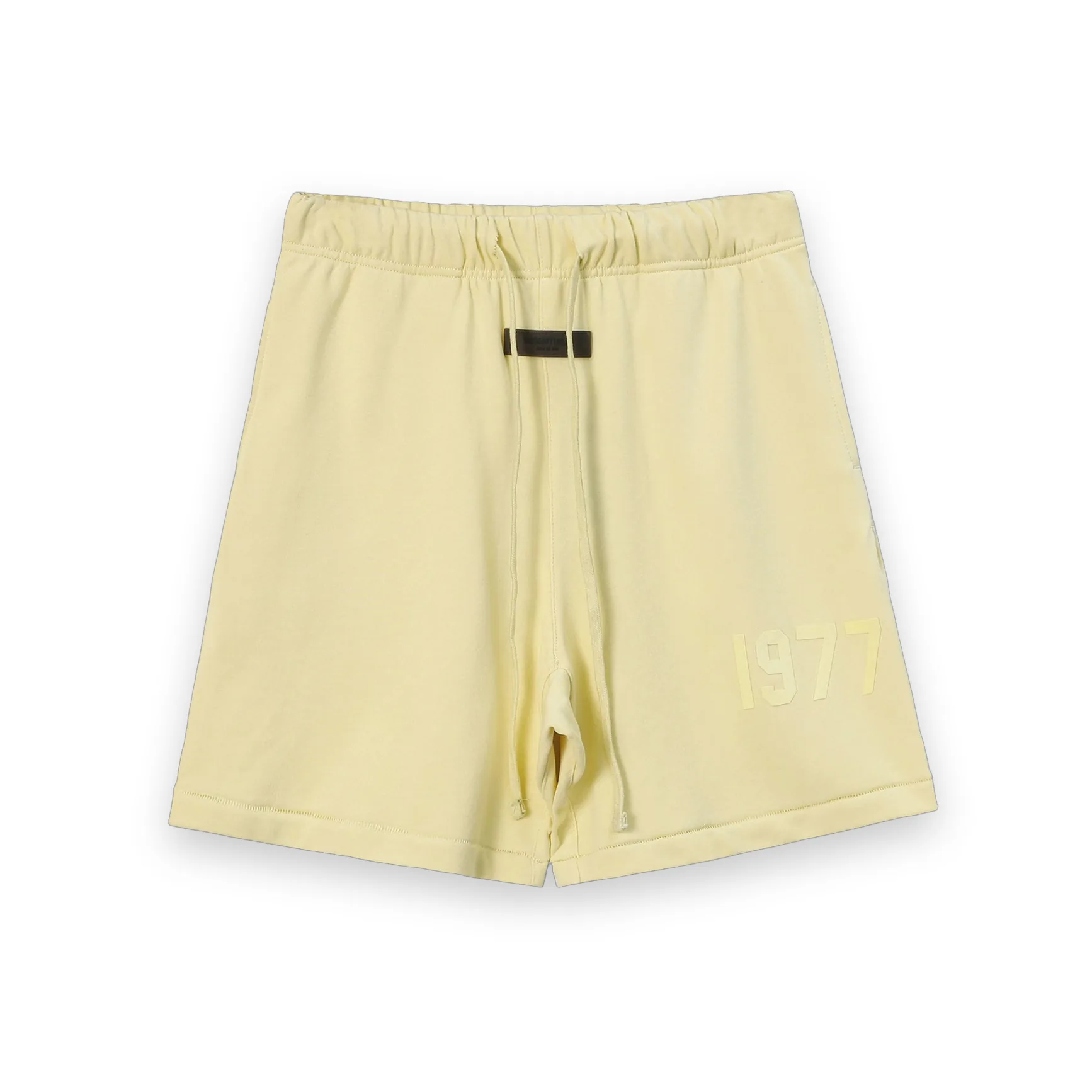
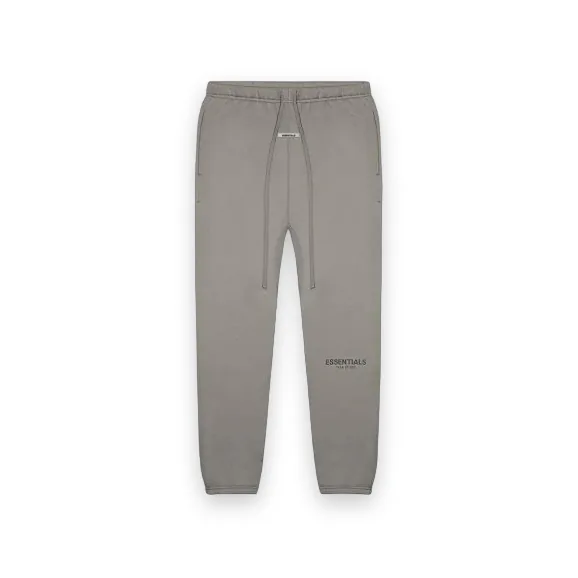
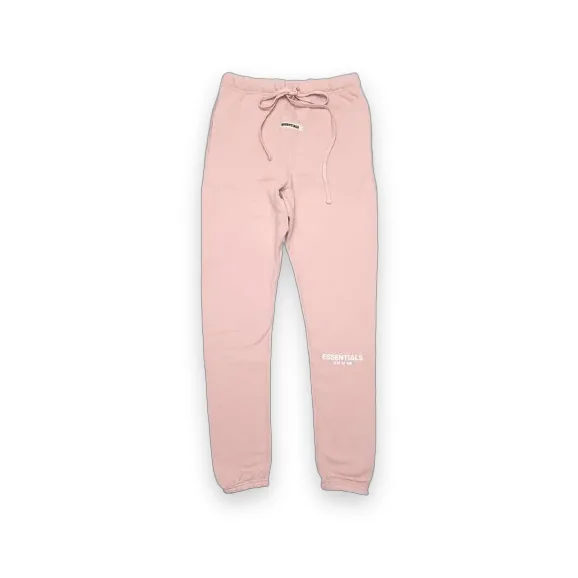
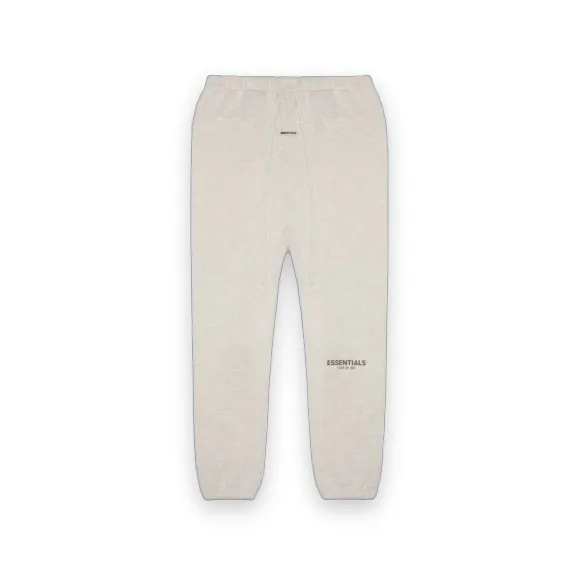
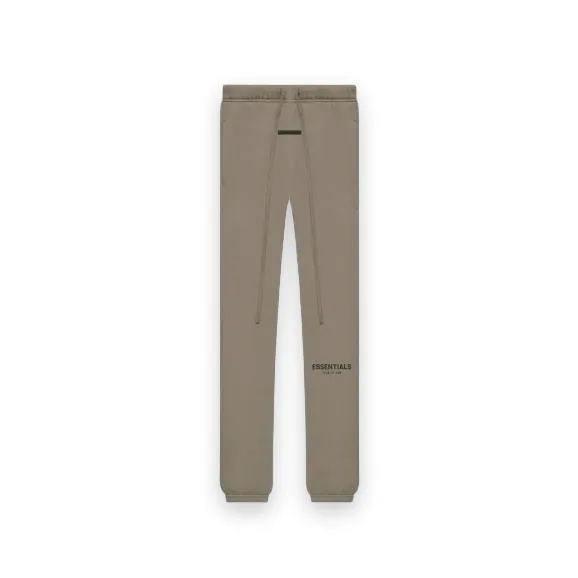
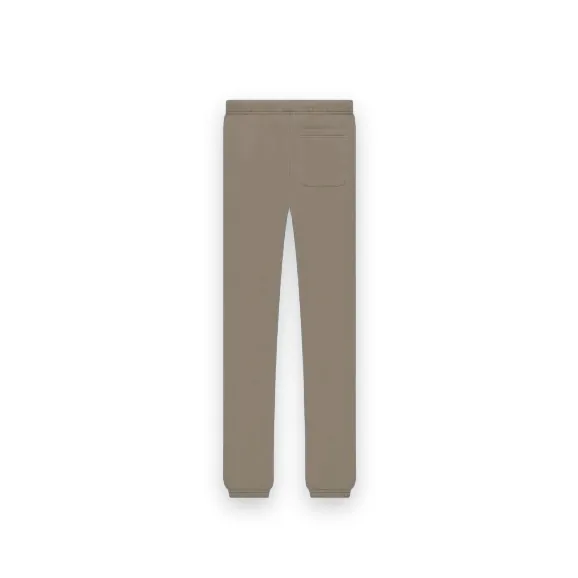
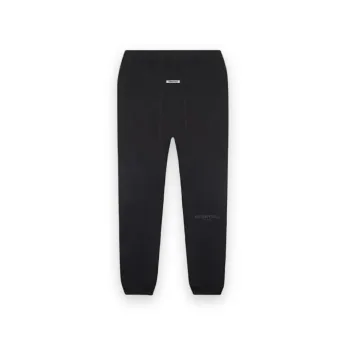
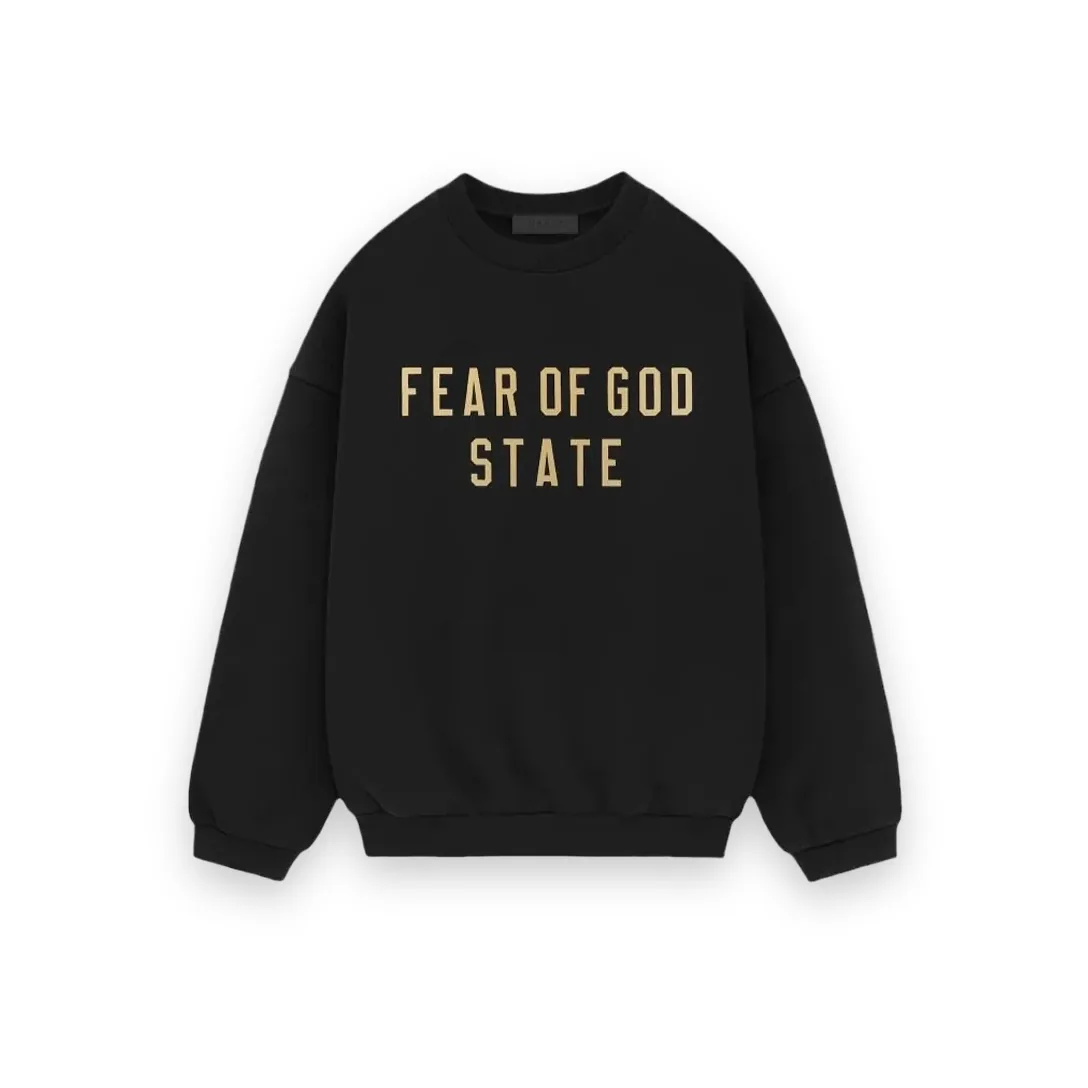
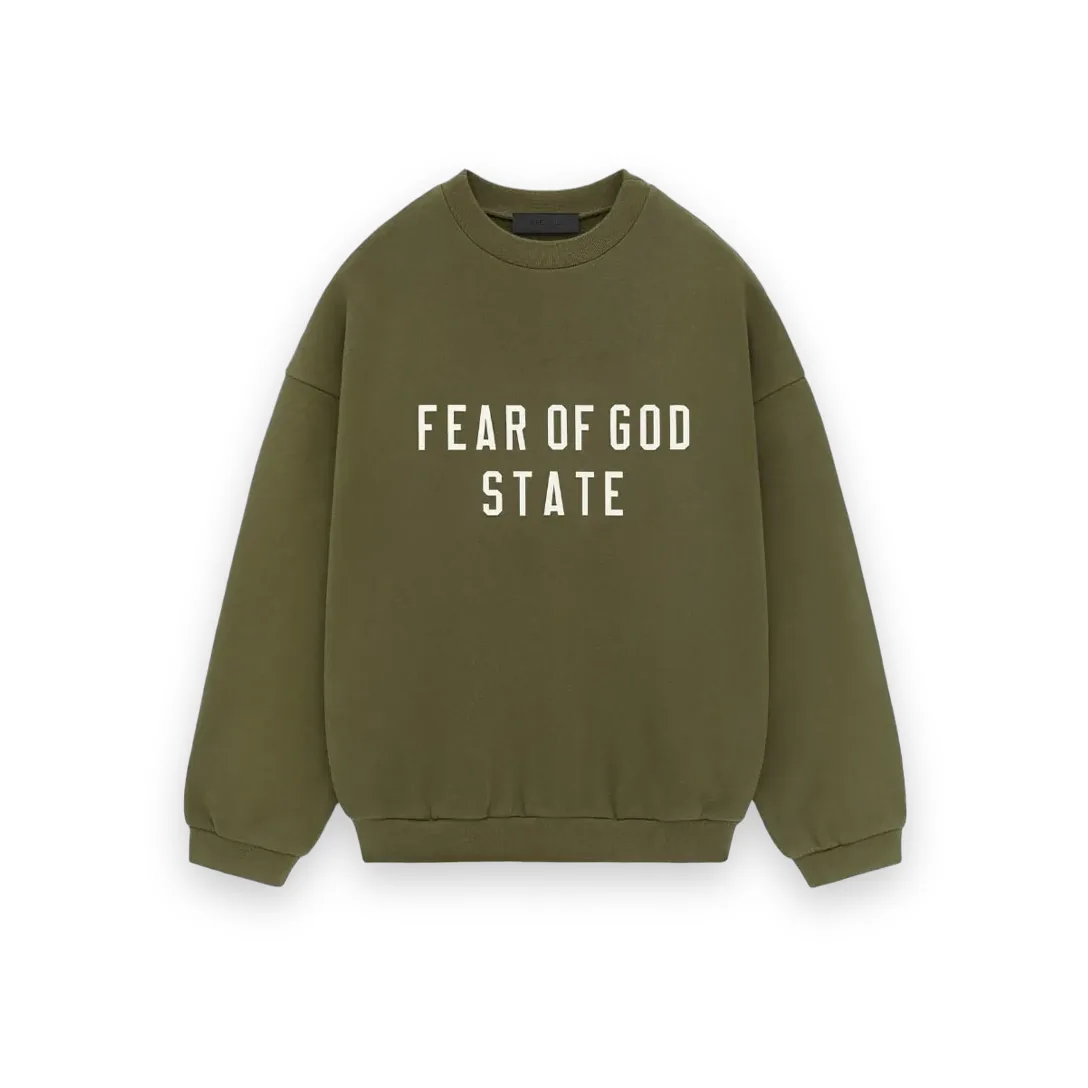
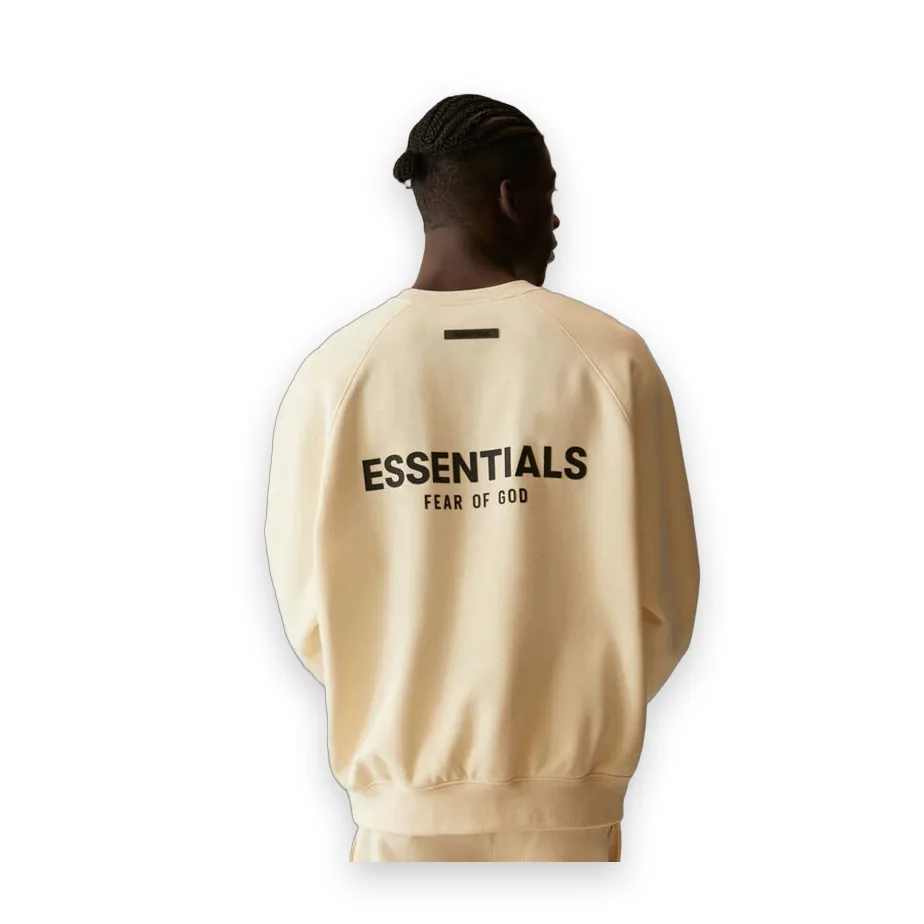
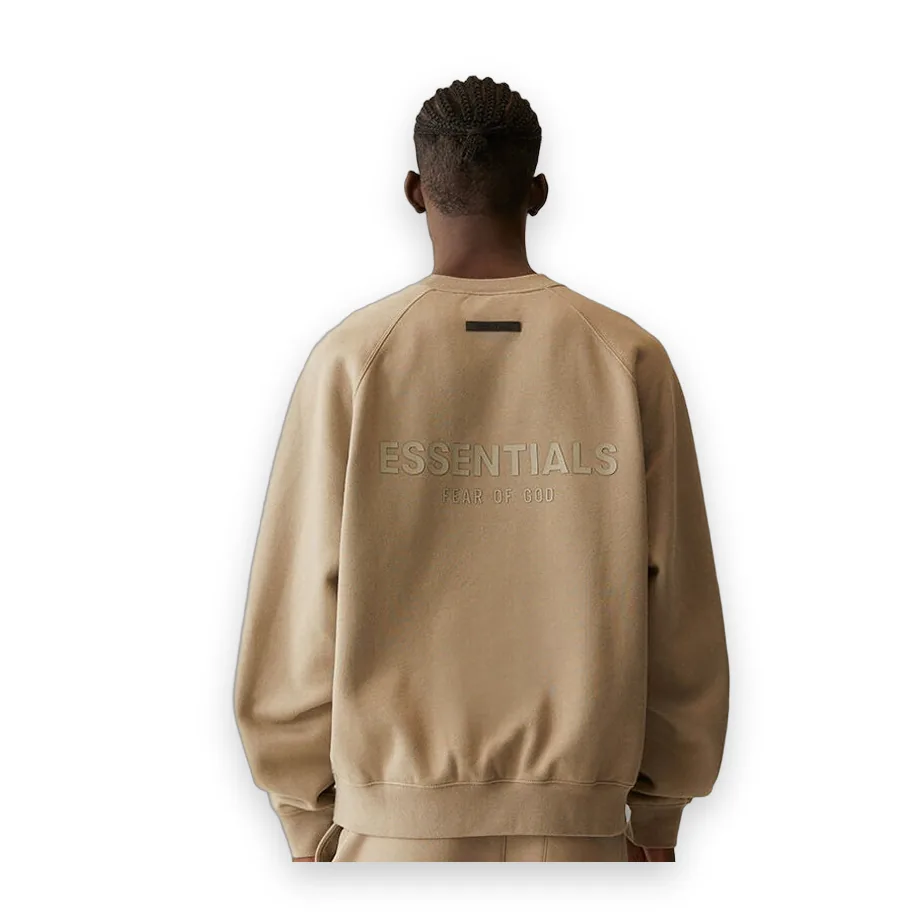
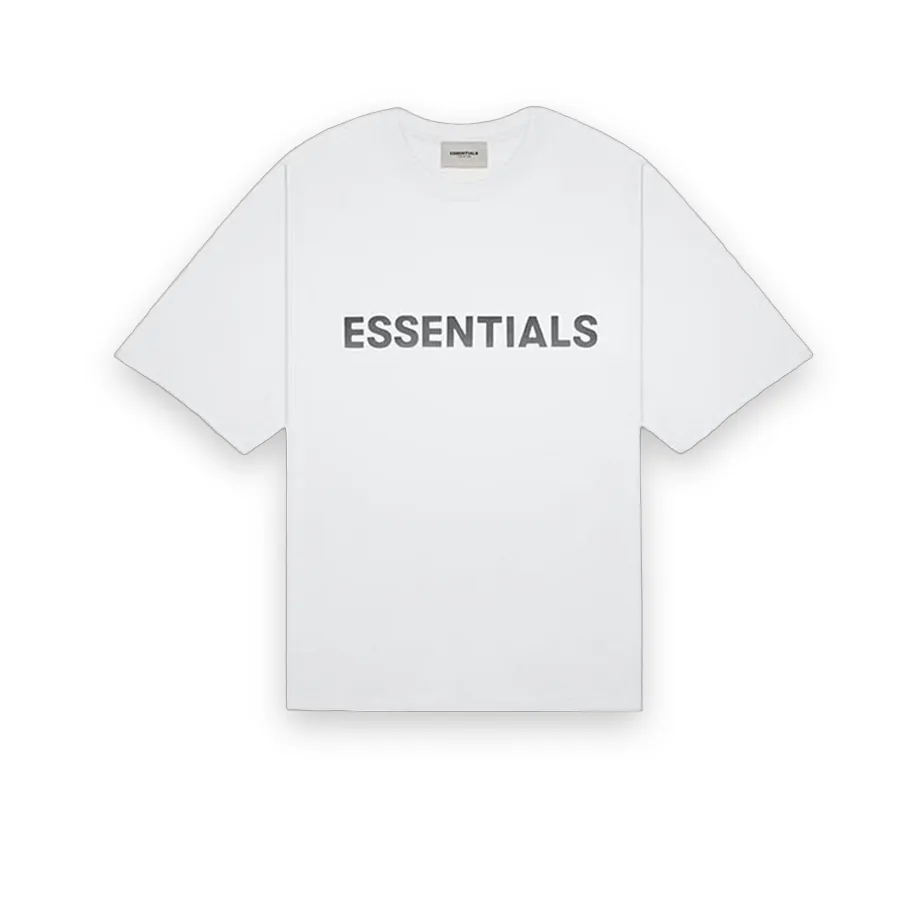
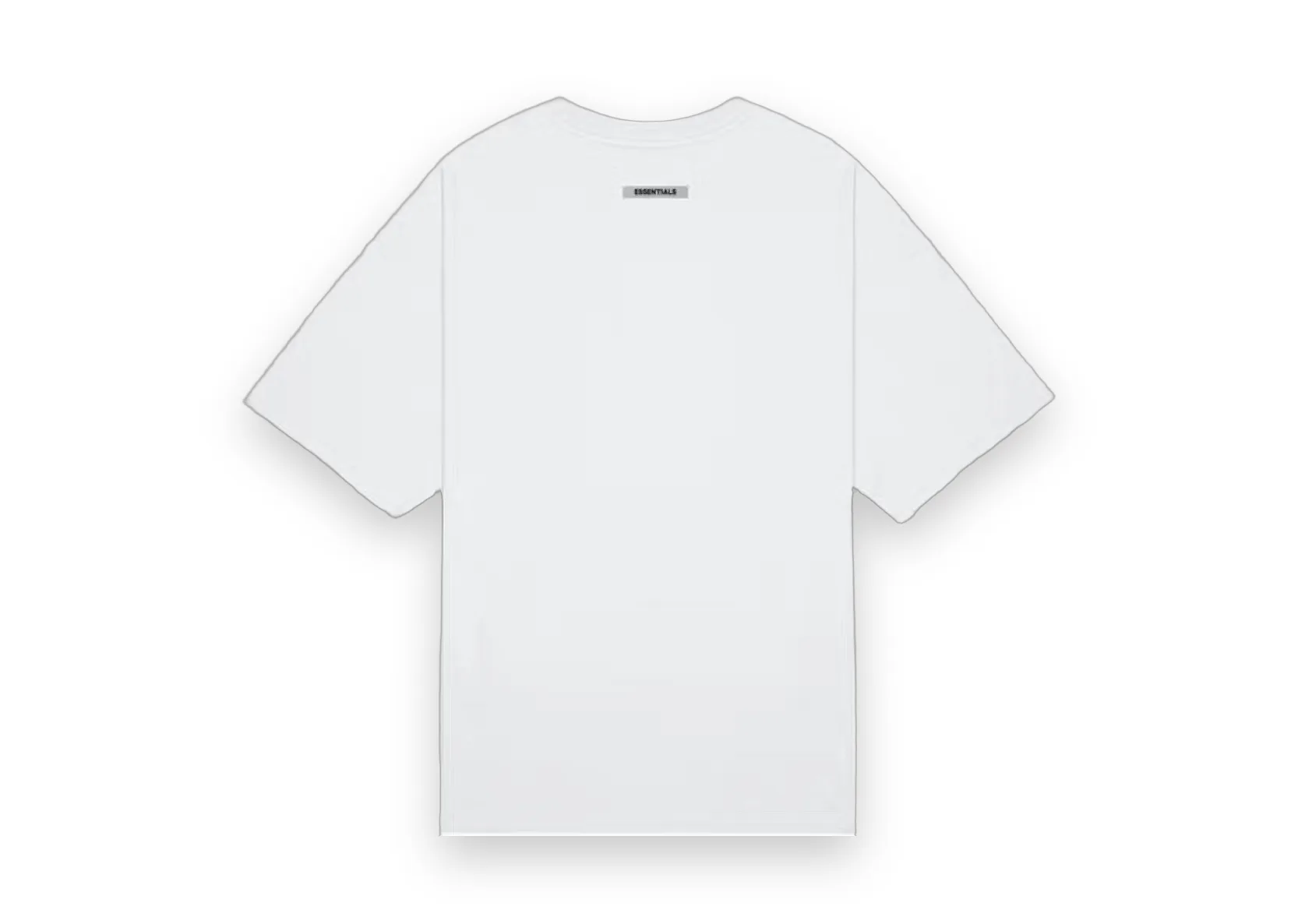
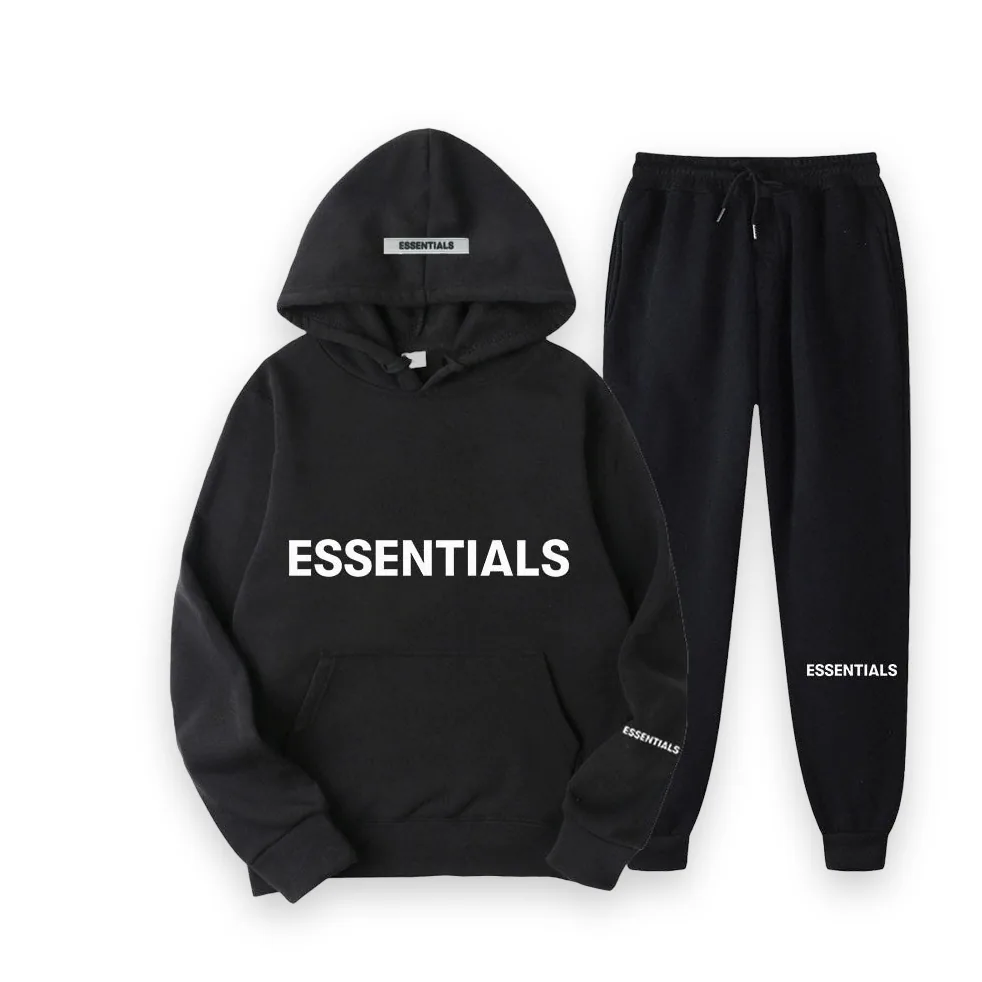
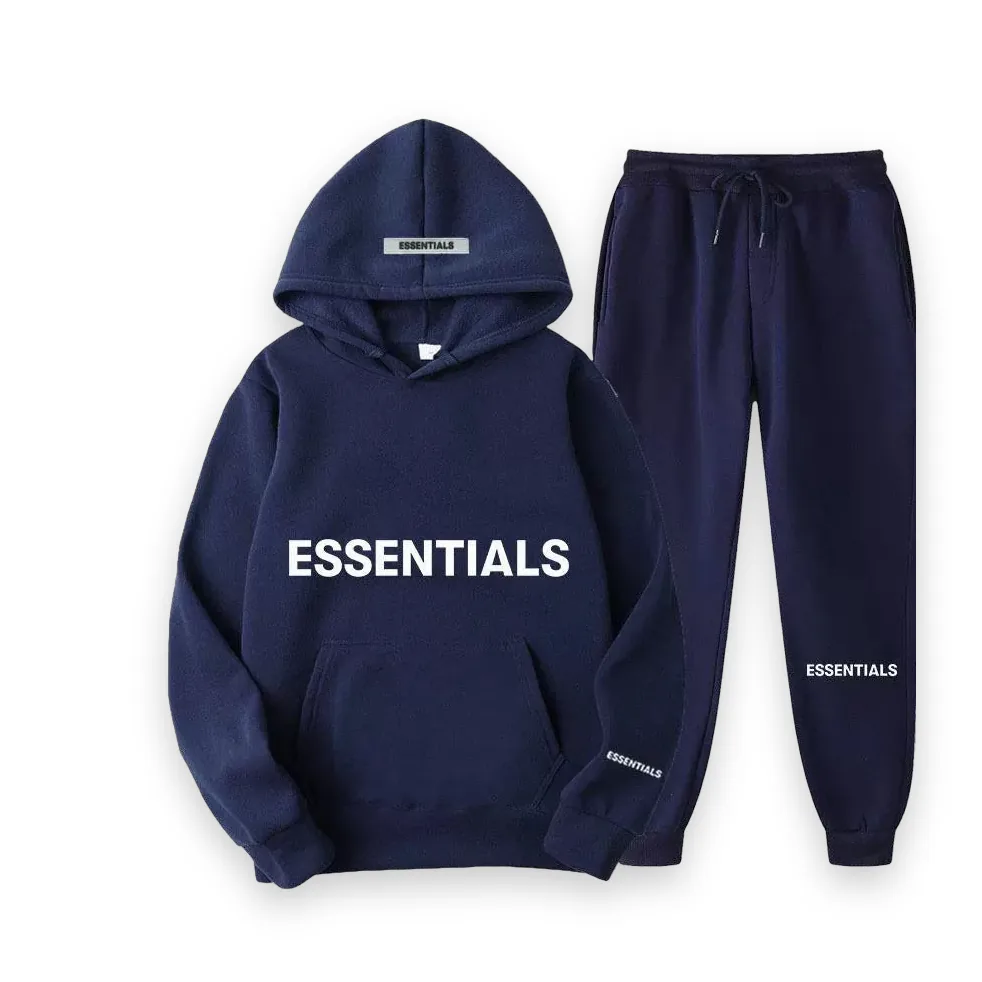
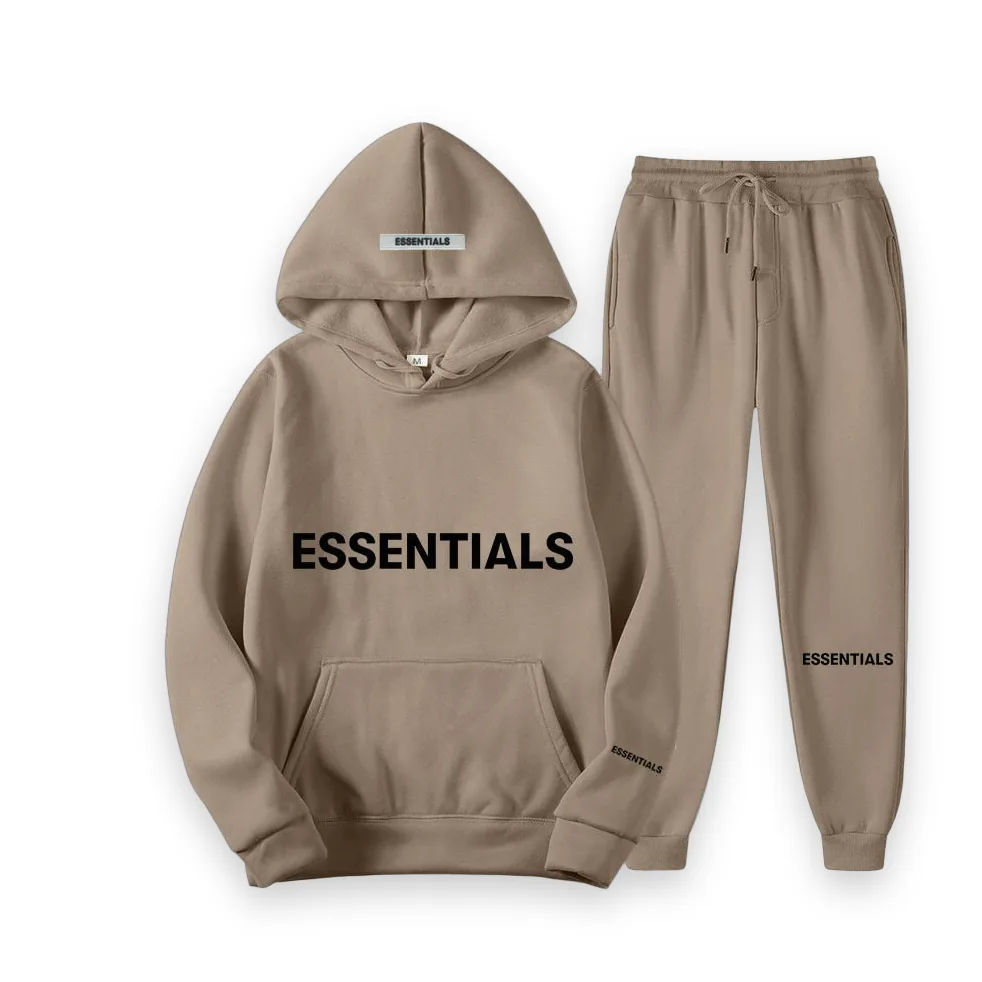
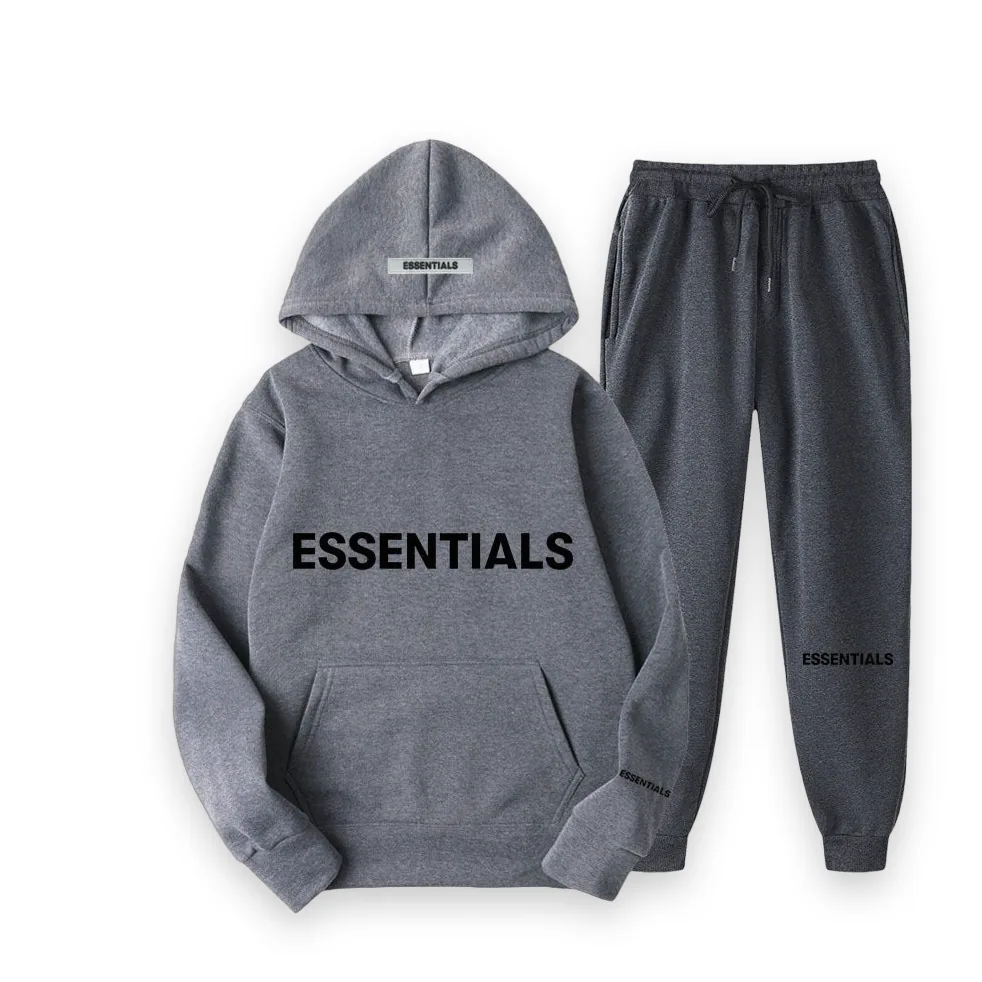
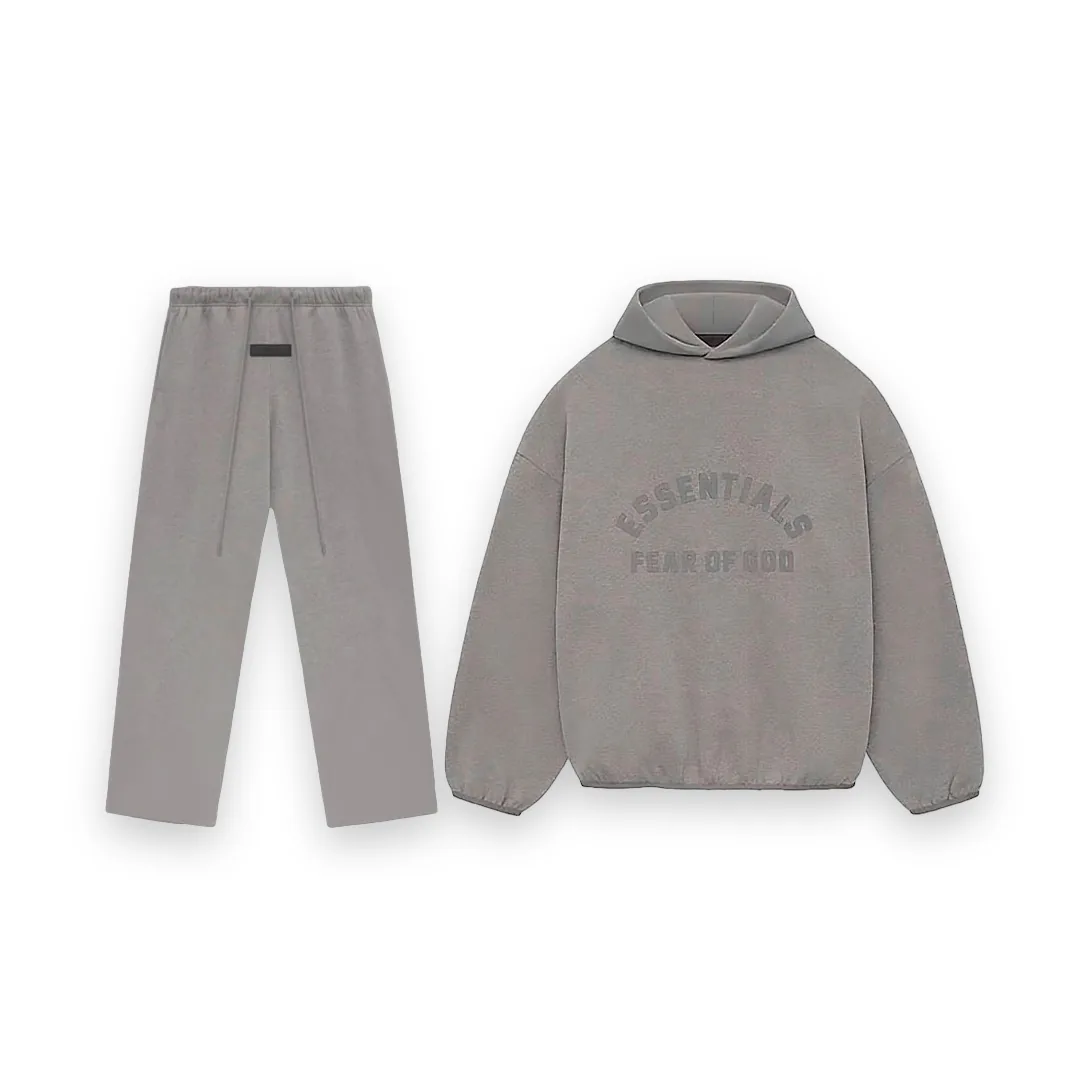
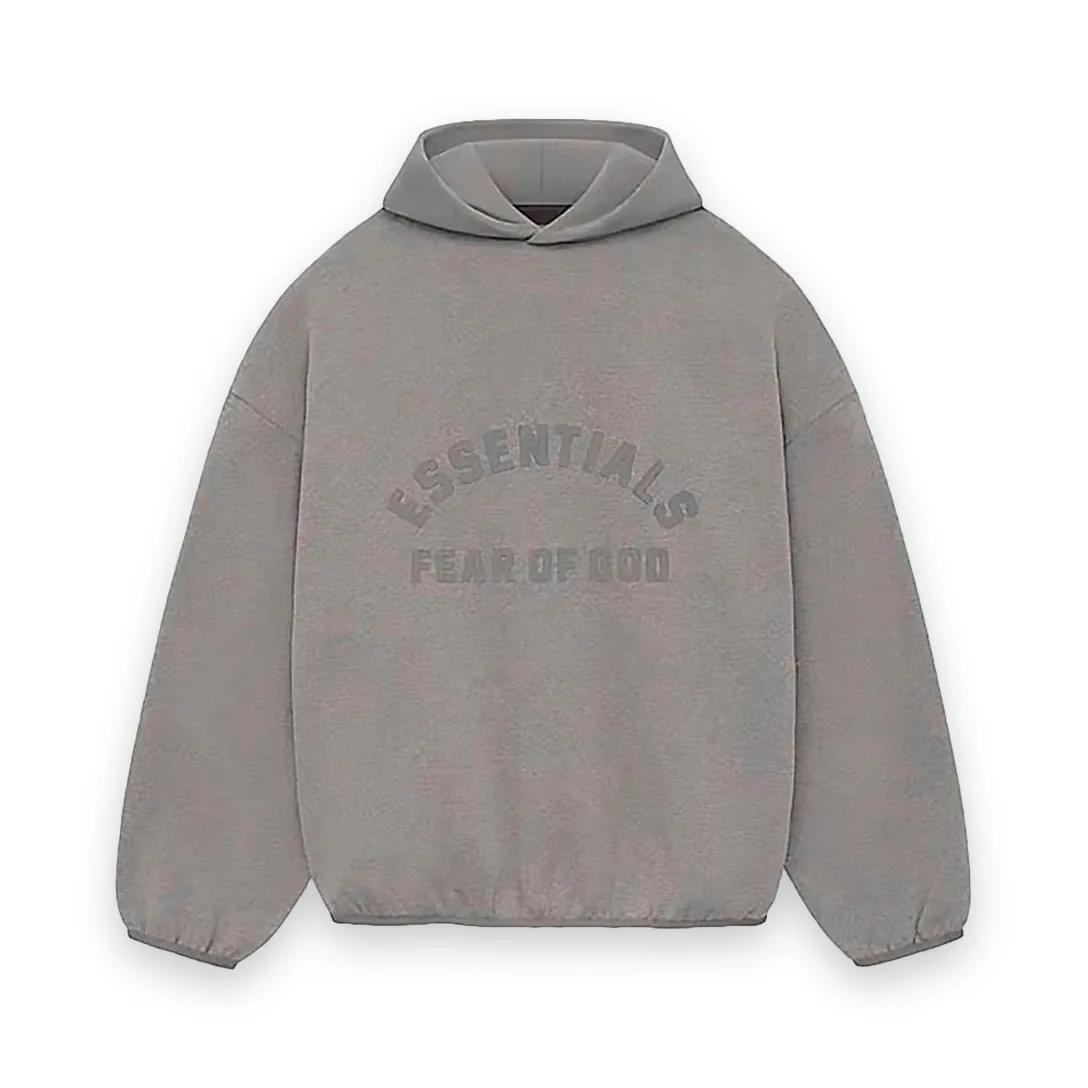
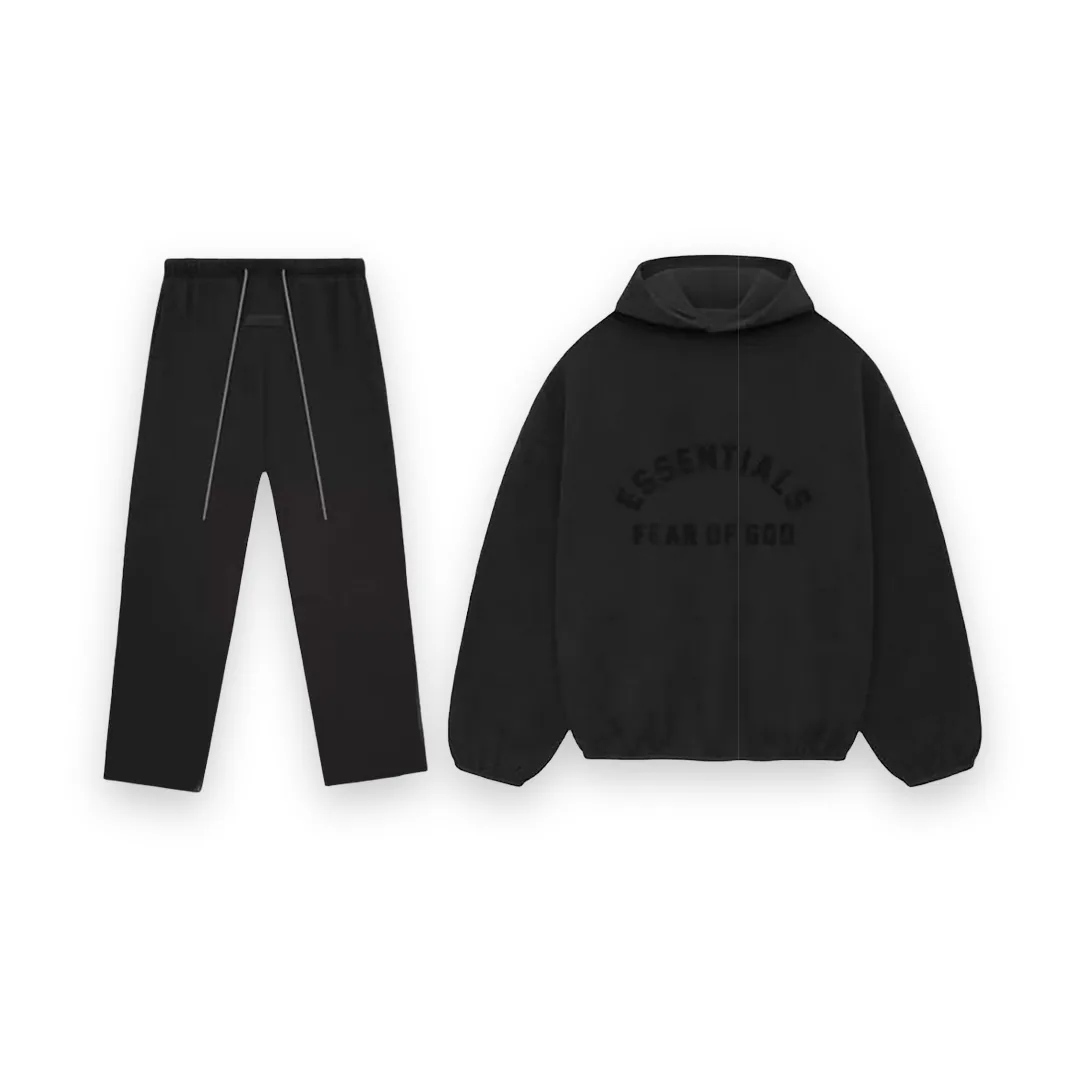
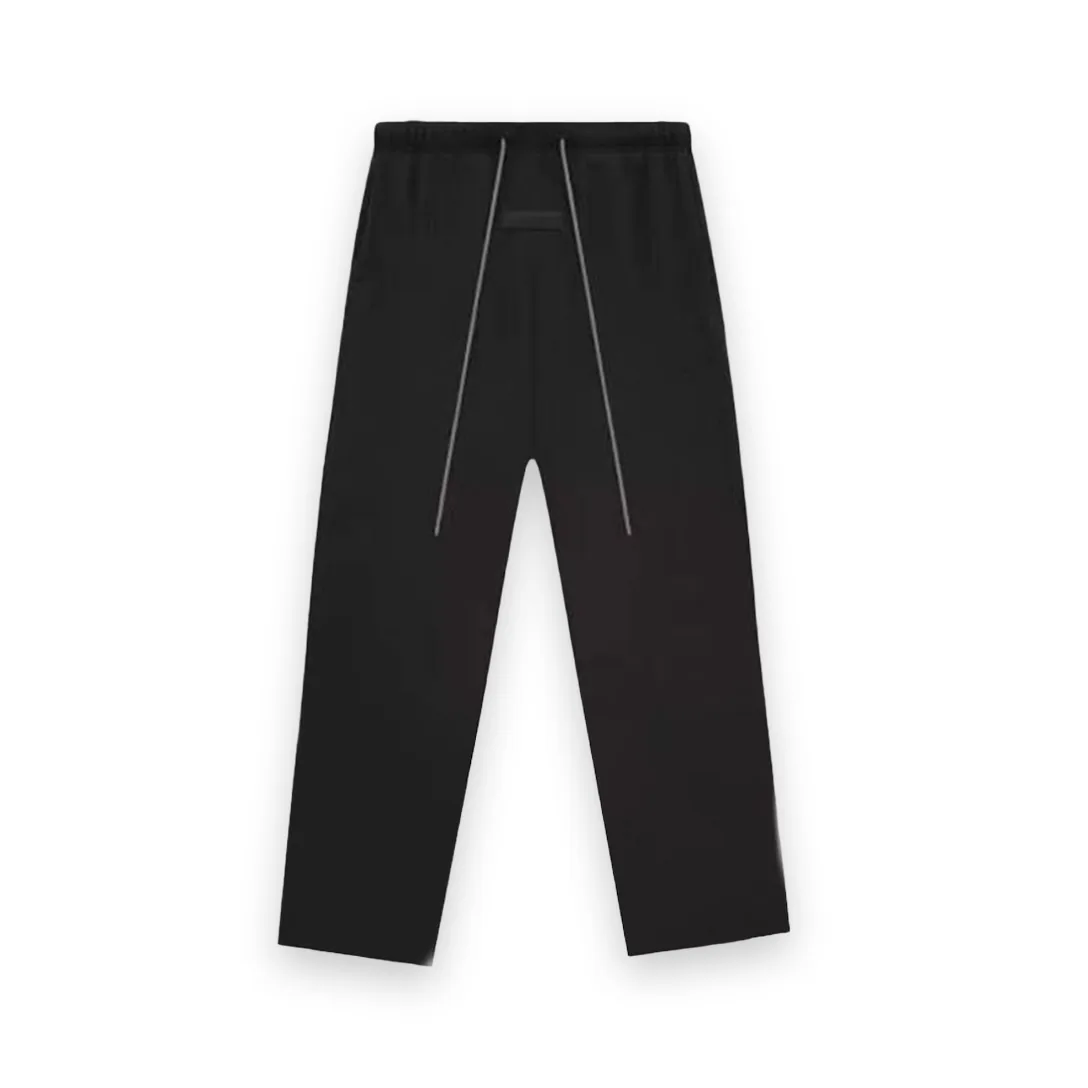
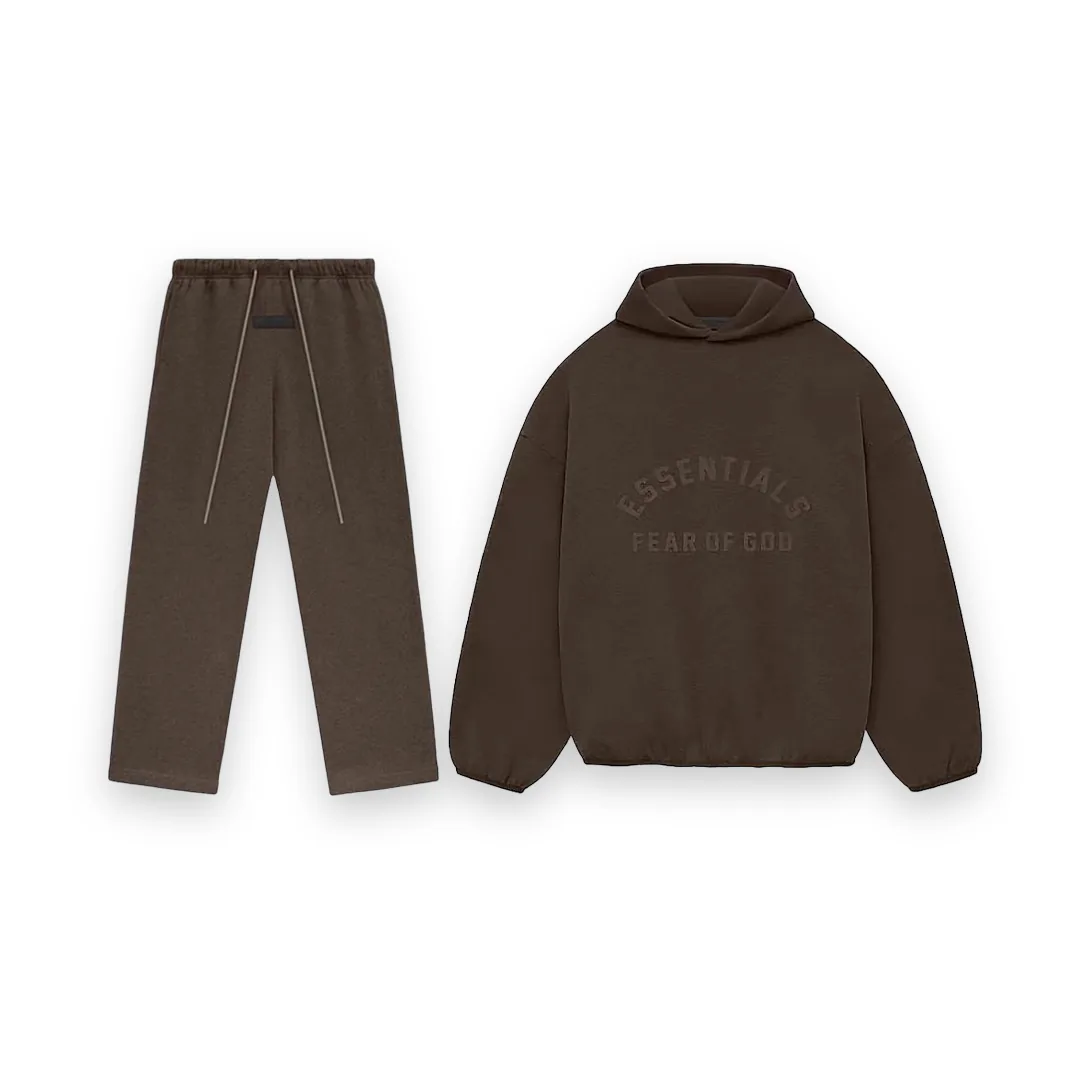
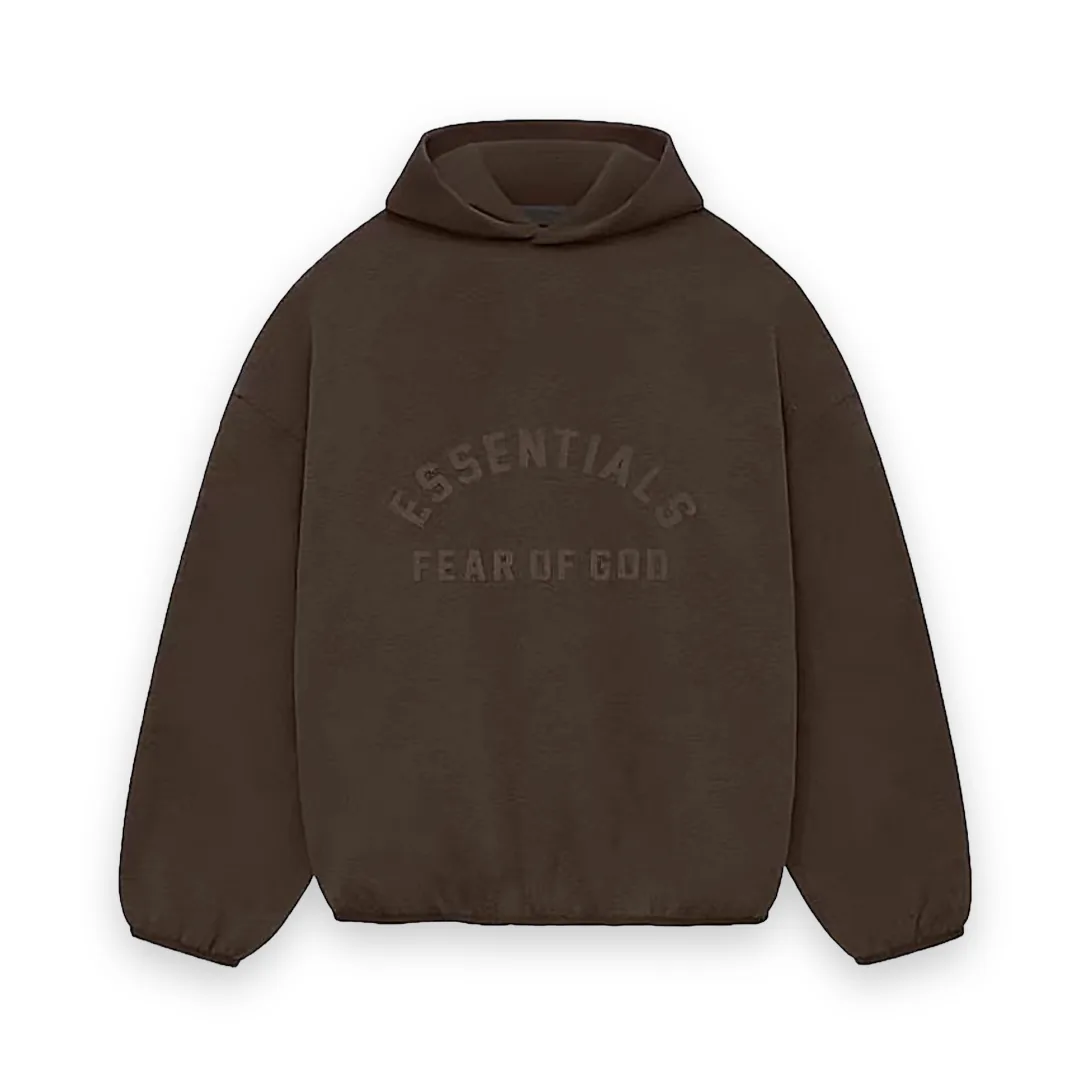
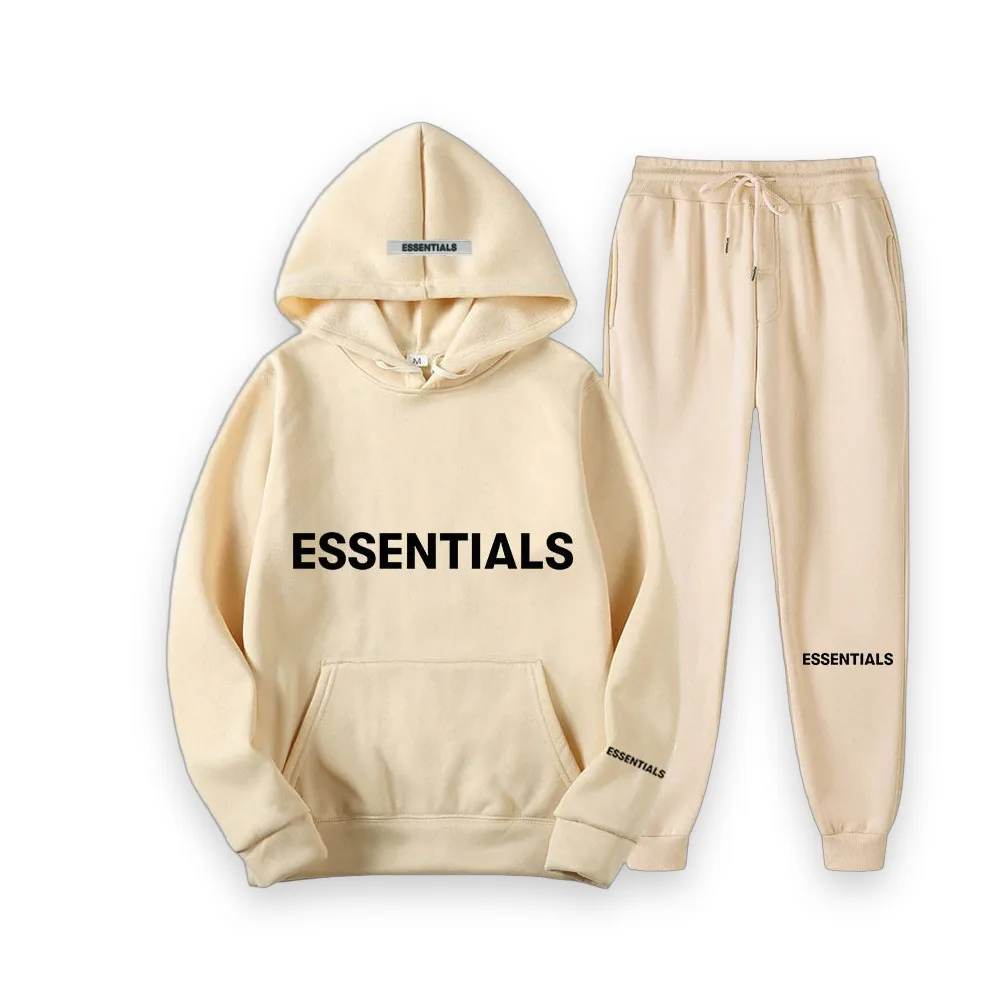
Essentials Hoodie – Official Store
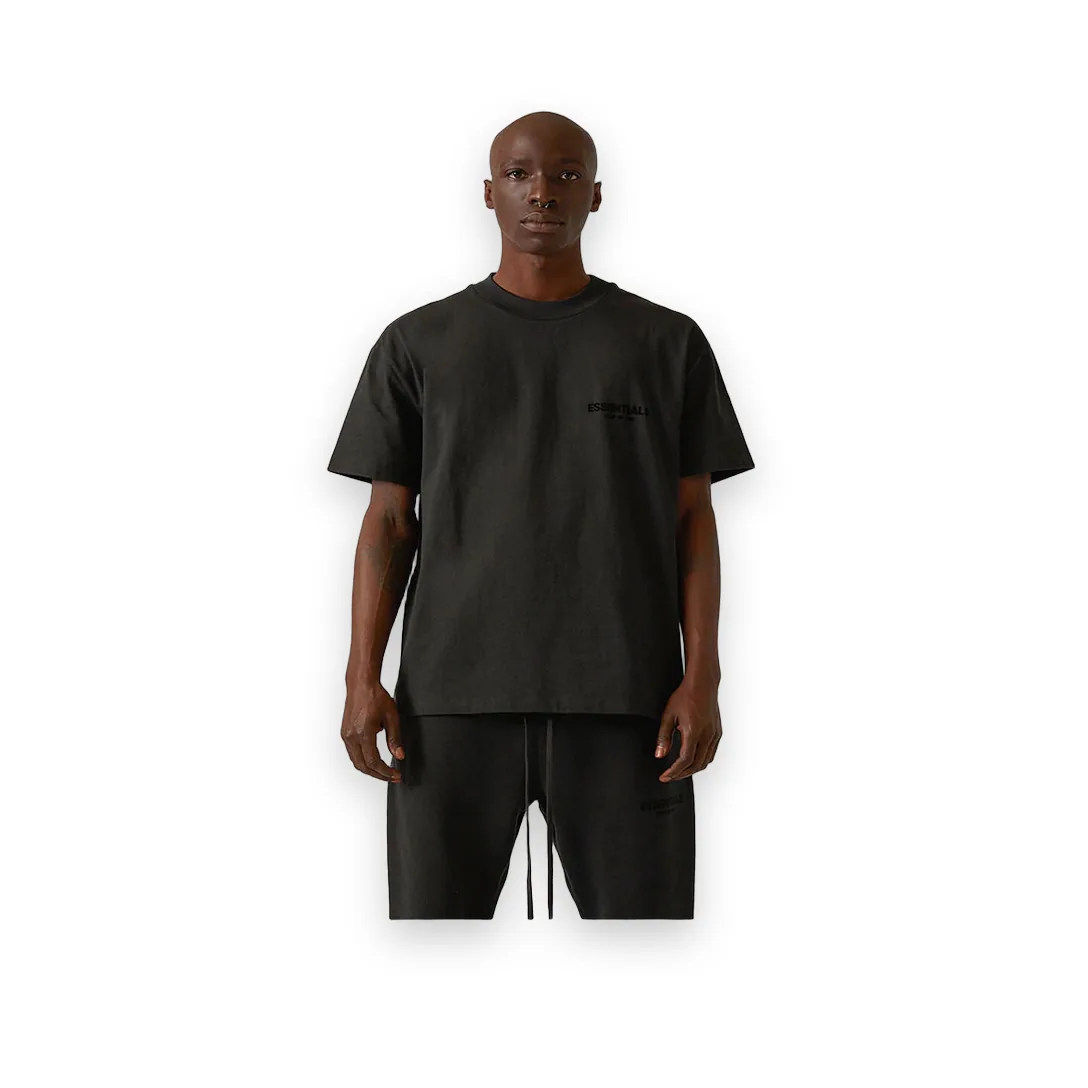
The Essentials Hoodie has quietly become the most worn piece in modern streetwear, and it earned that place without a single loud graphic. Where most brands compete for attention, Essentials competes for repetition — the piece you reach for on the days you have not thought about your outfit at all. Heavyweight fleece, a relaxed shoulder, a rubberised logo sitting flat against the chest, and a colour palette that refuses to argue with anything else in your wardrobe. That is the whole proposition. We stock the full range in every core colourway, in men’s, women’s and kids’ sizing, at prices that do not punish you for wanting something well made. Everything ships with tracking, and everything is exactly what it says it is.
The full Fear of God Essentials core range — 215 pieces across 7 collections, priced against retail, never against resale.
In stock now · one from every collection
Shop all 215 →
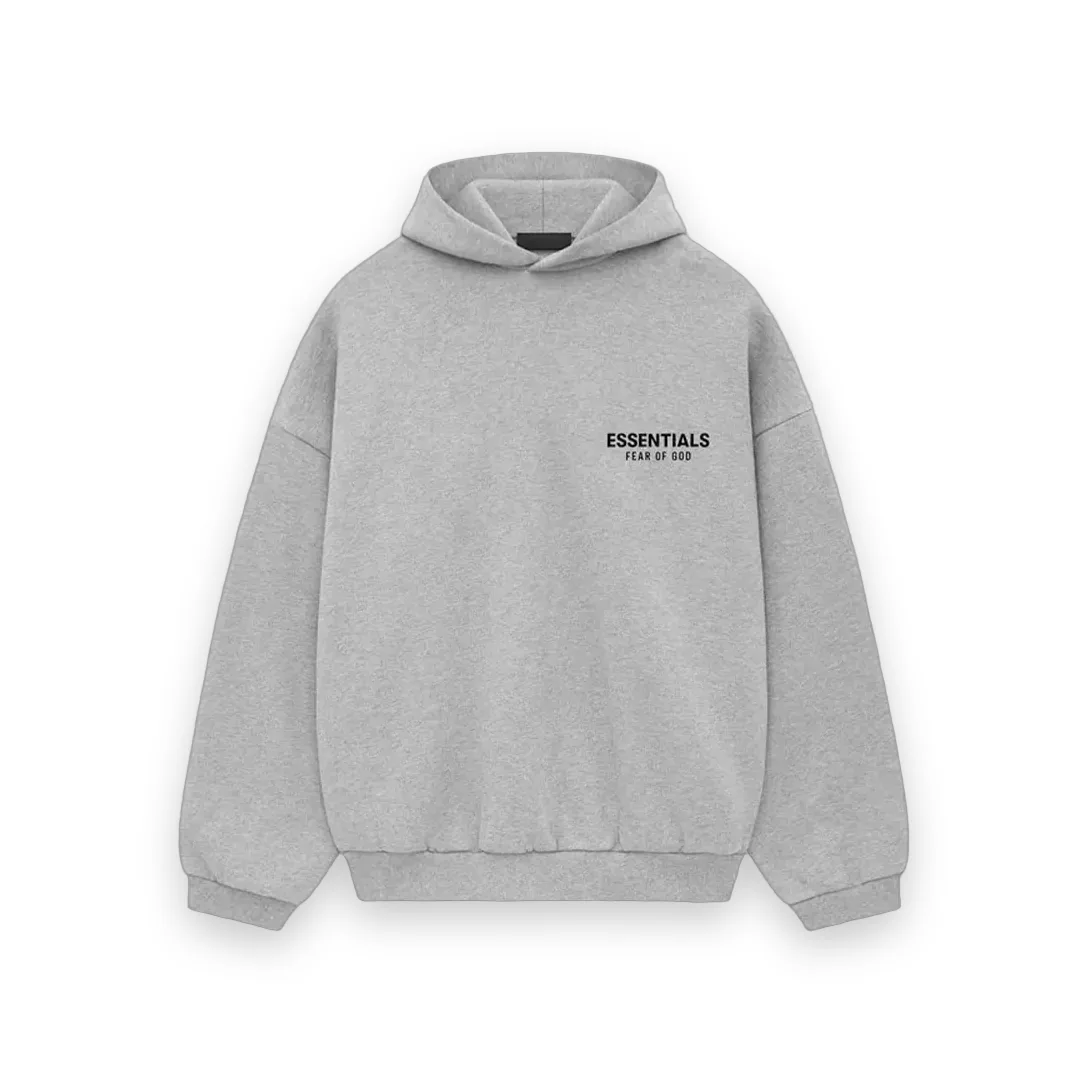
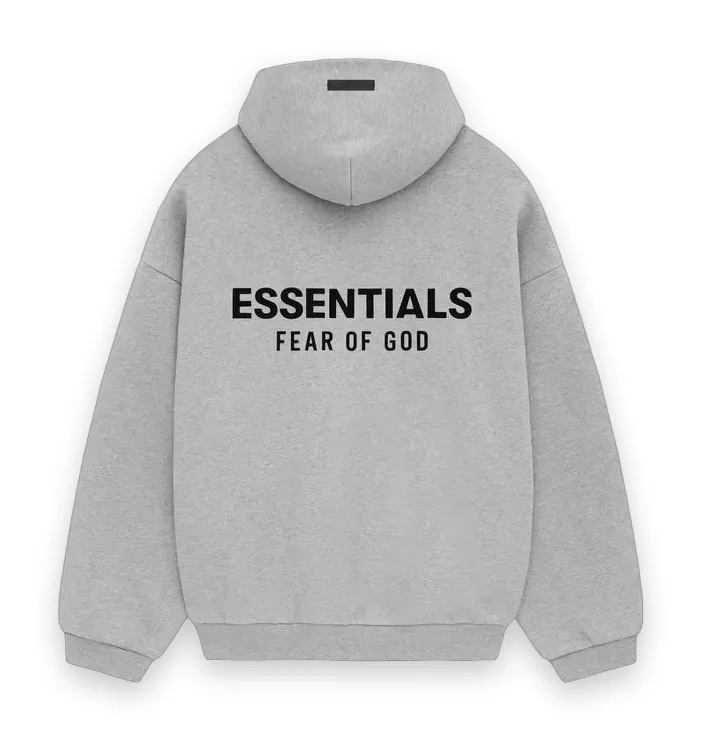
Fear of God Essentials Classic Hoodie Light Heather Gray
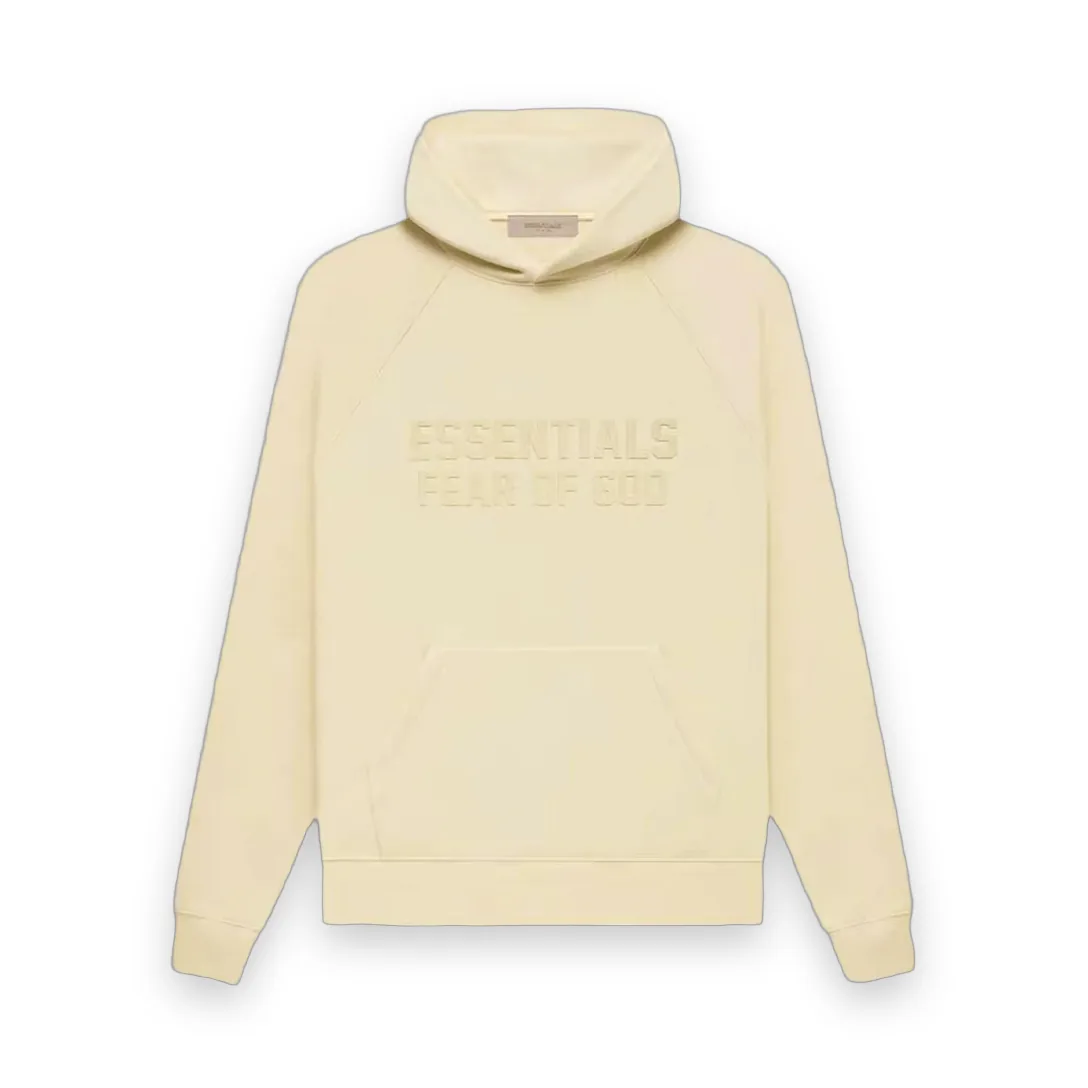
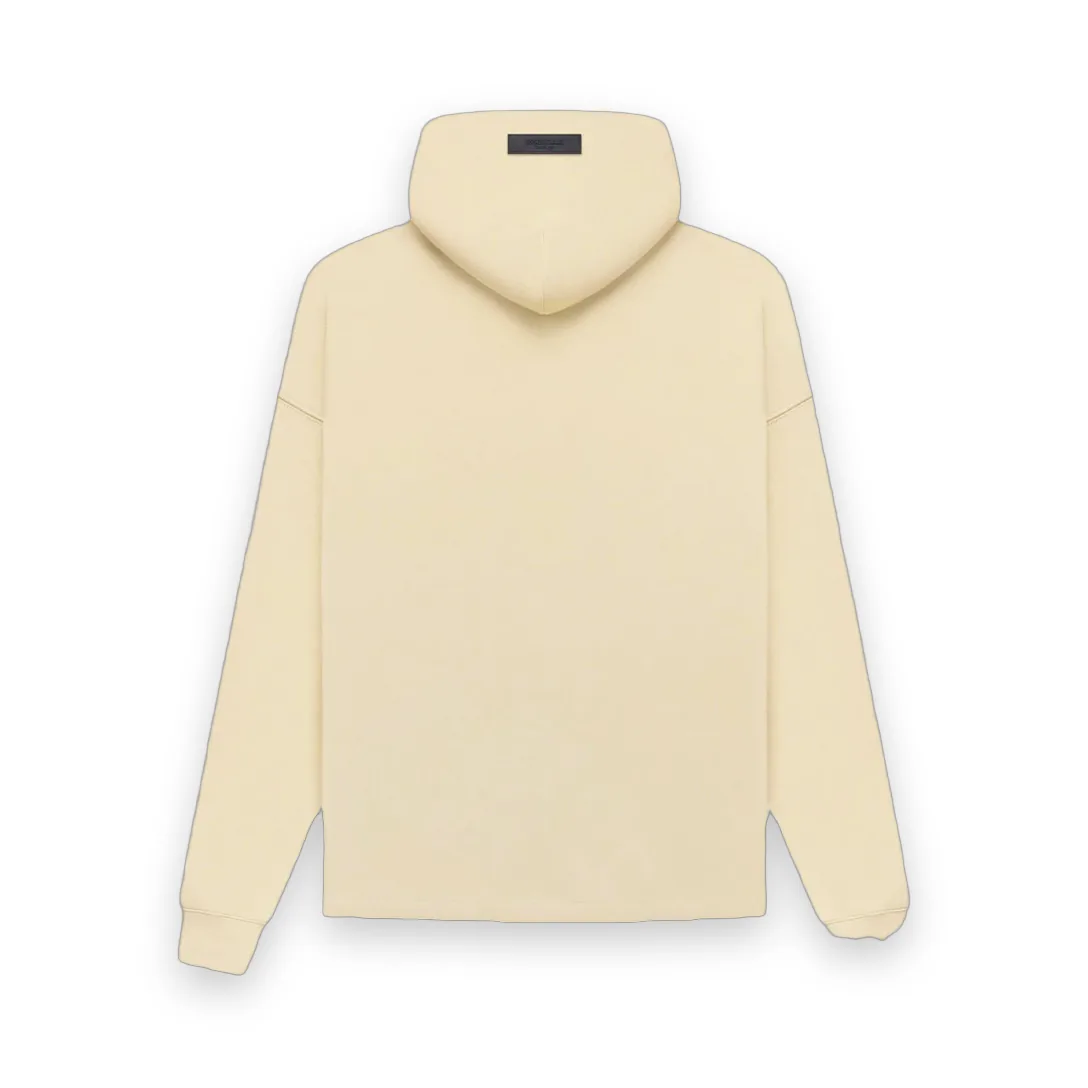
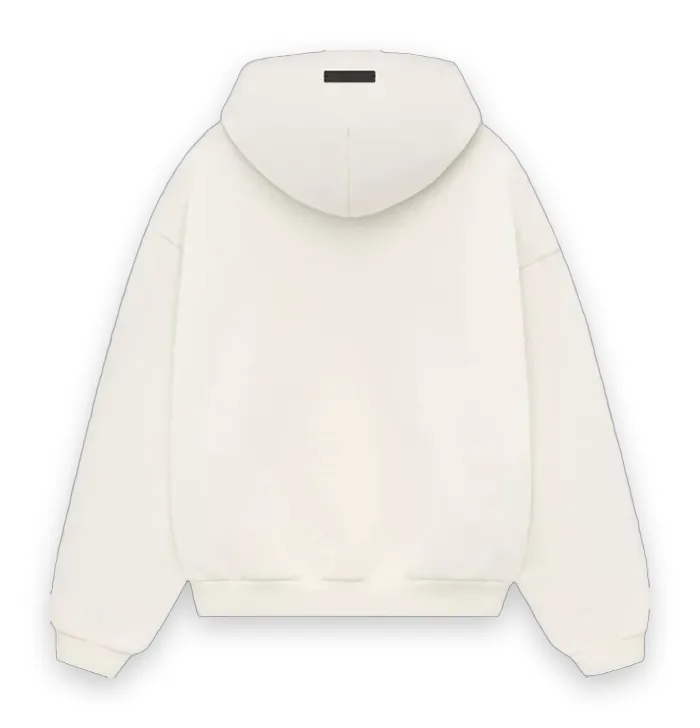
Fear of God Essentials Egg Shell Hoodie
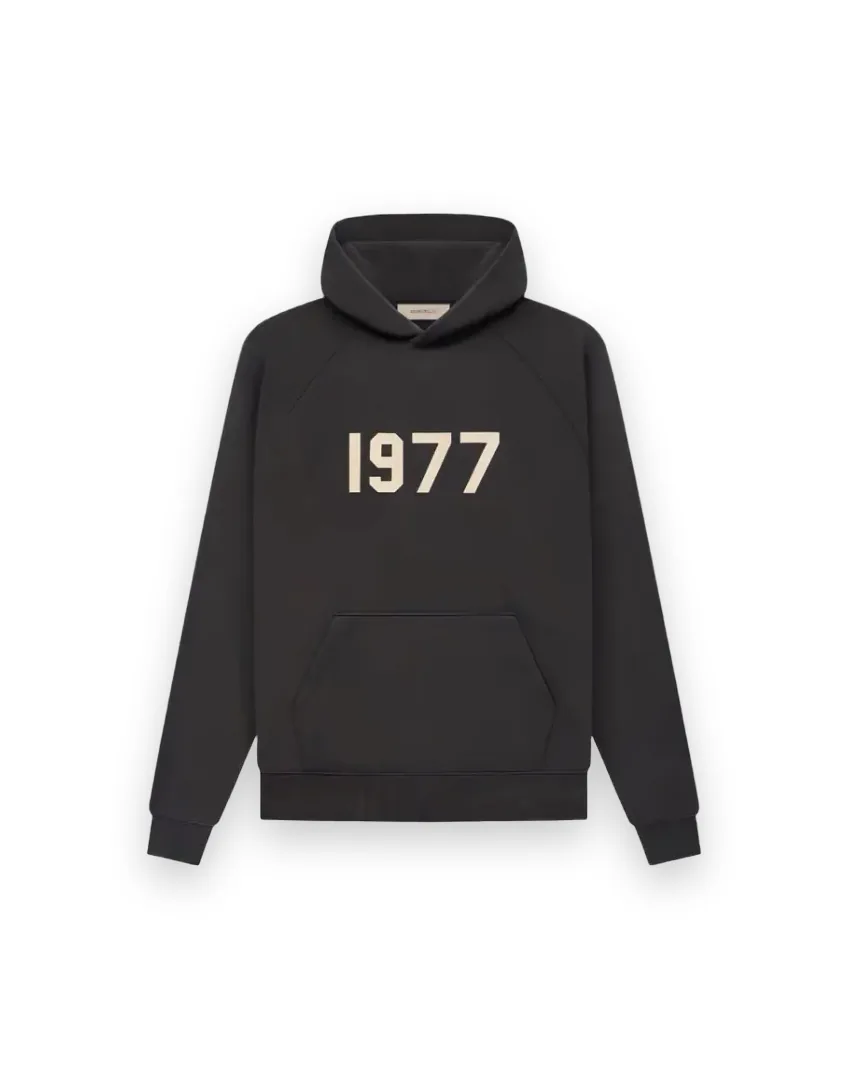
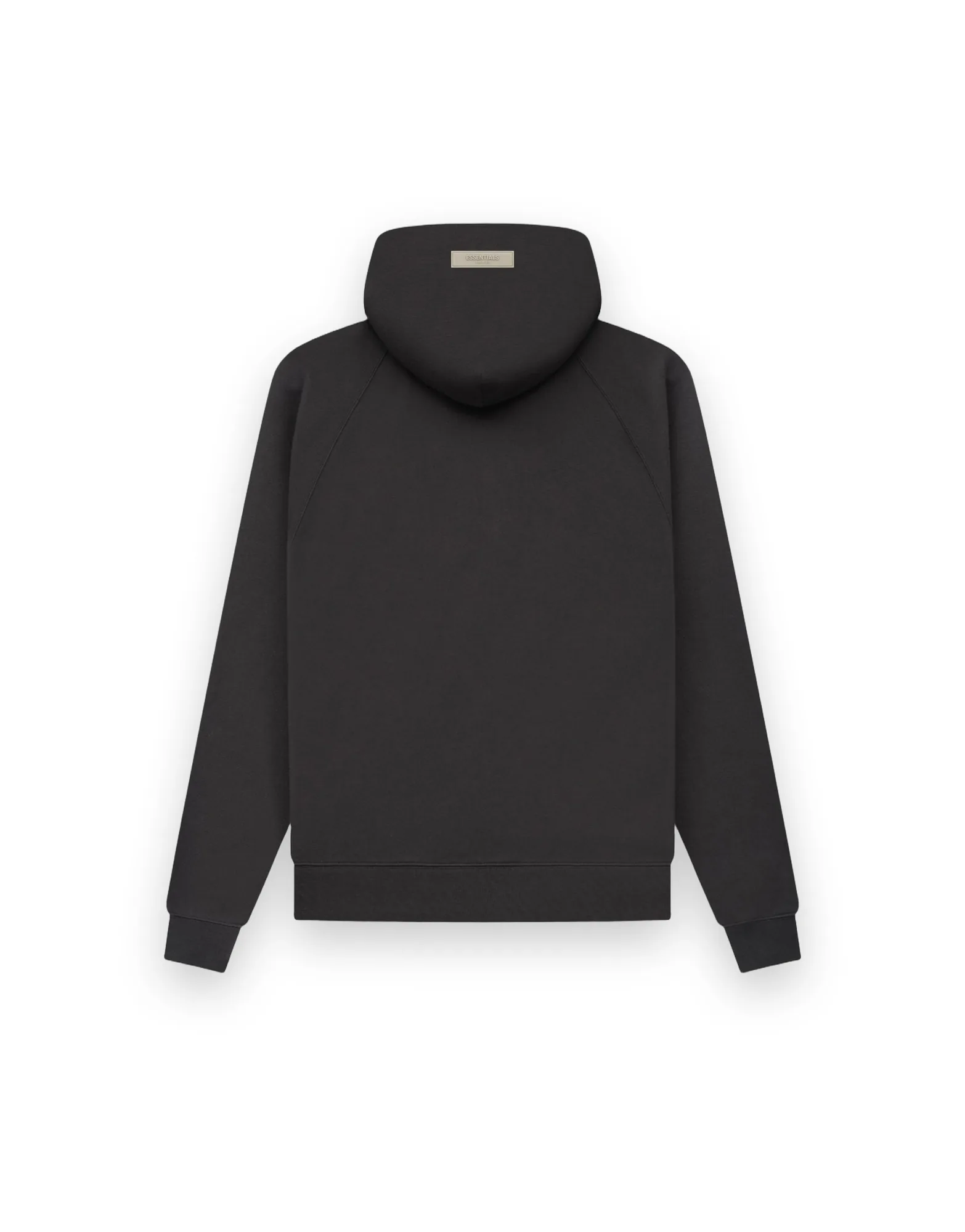
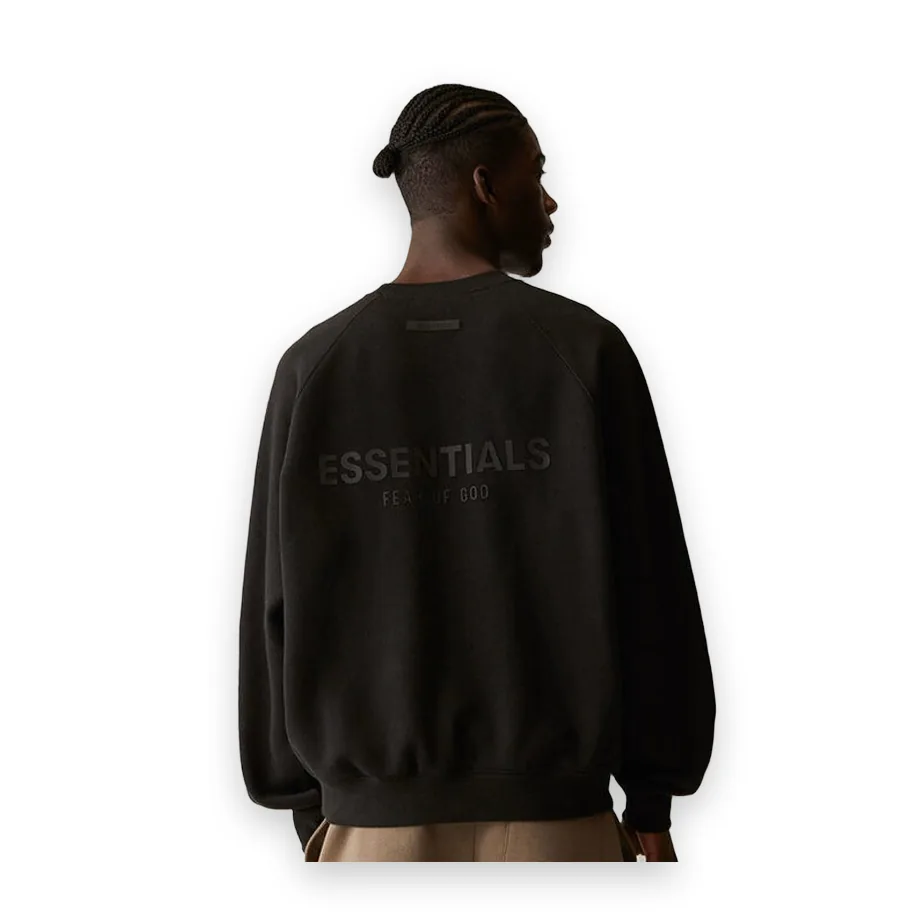
Essentials 1977 Black Hoodie
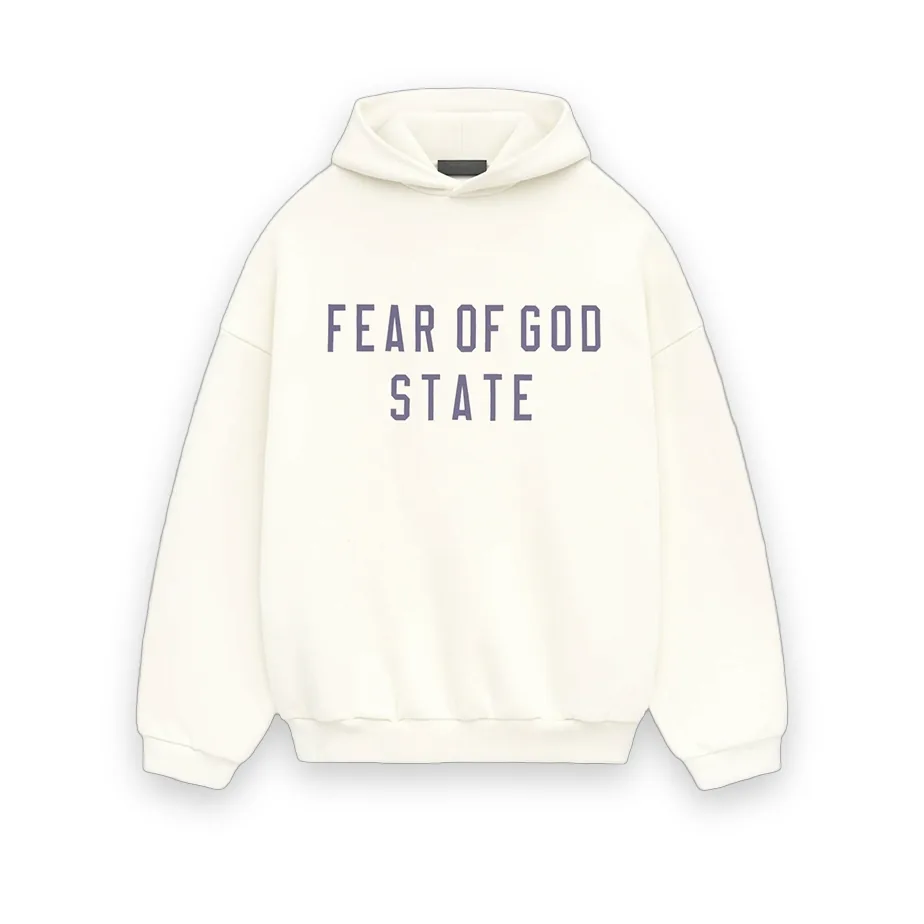
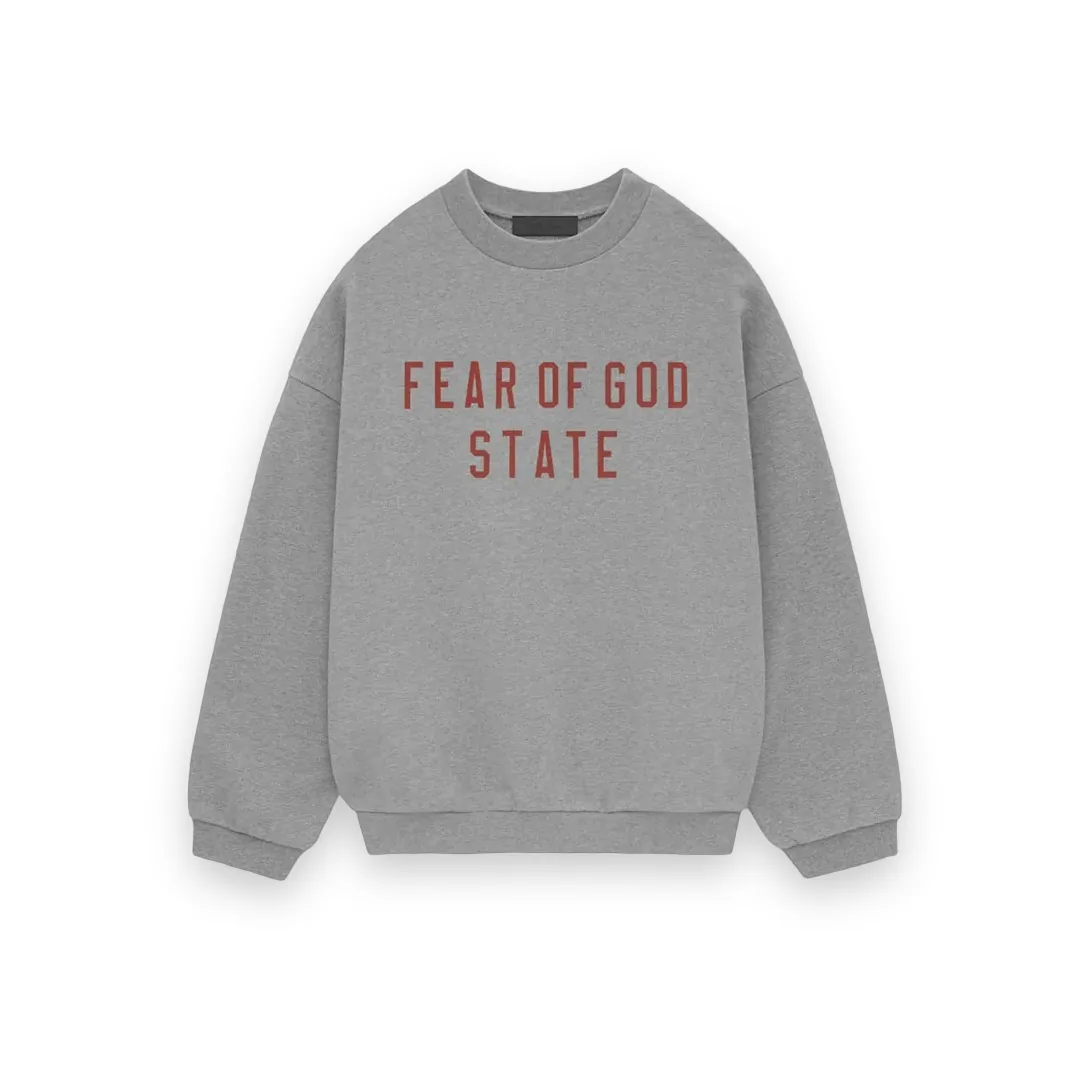
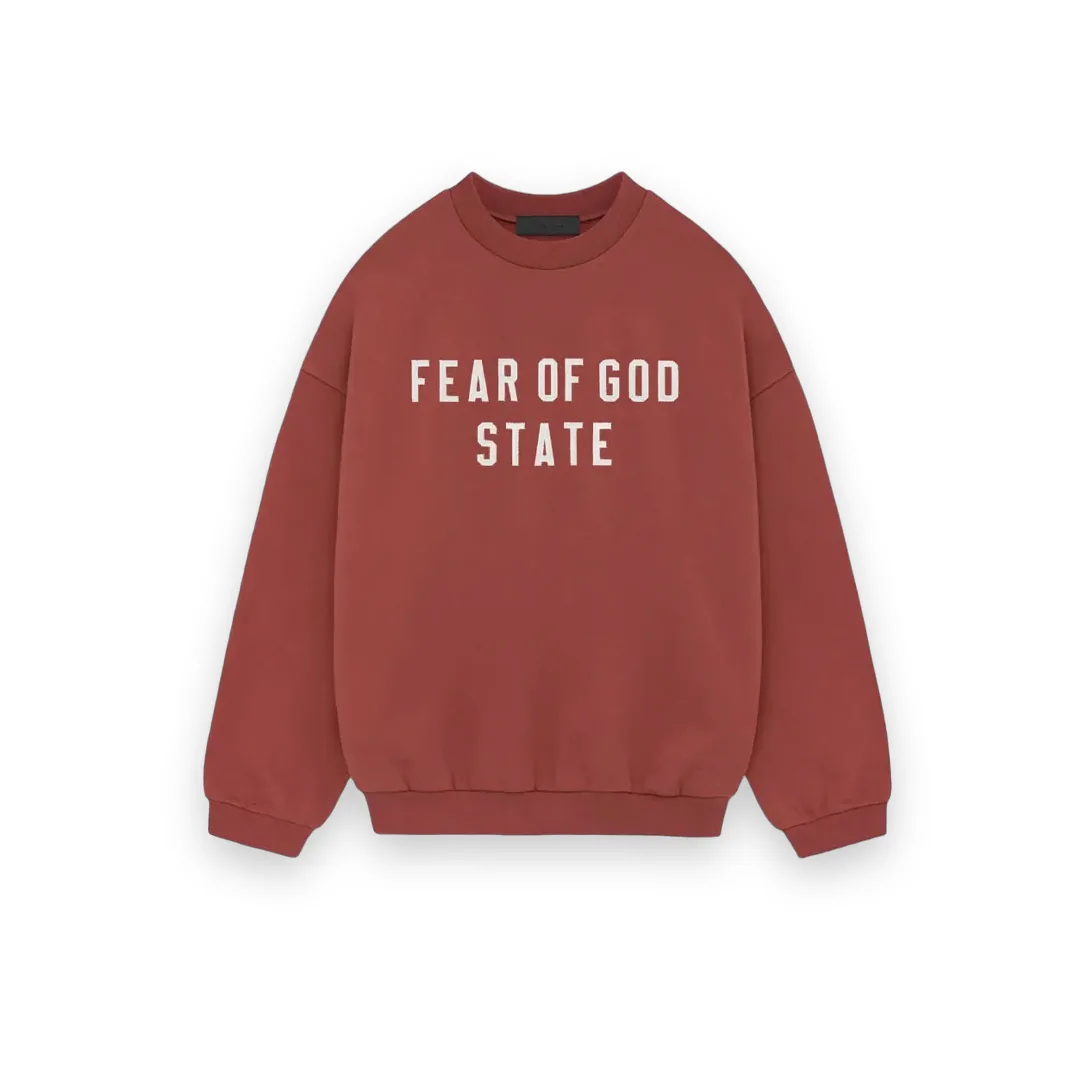
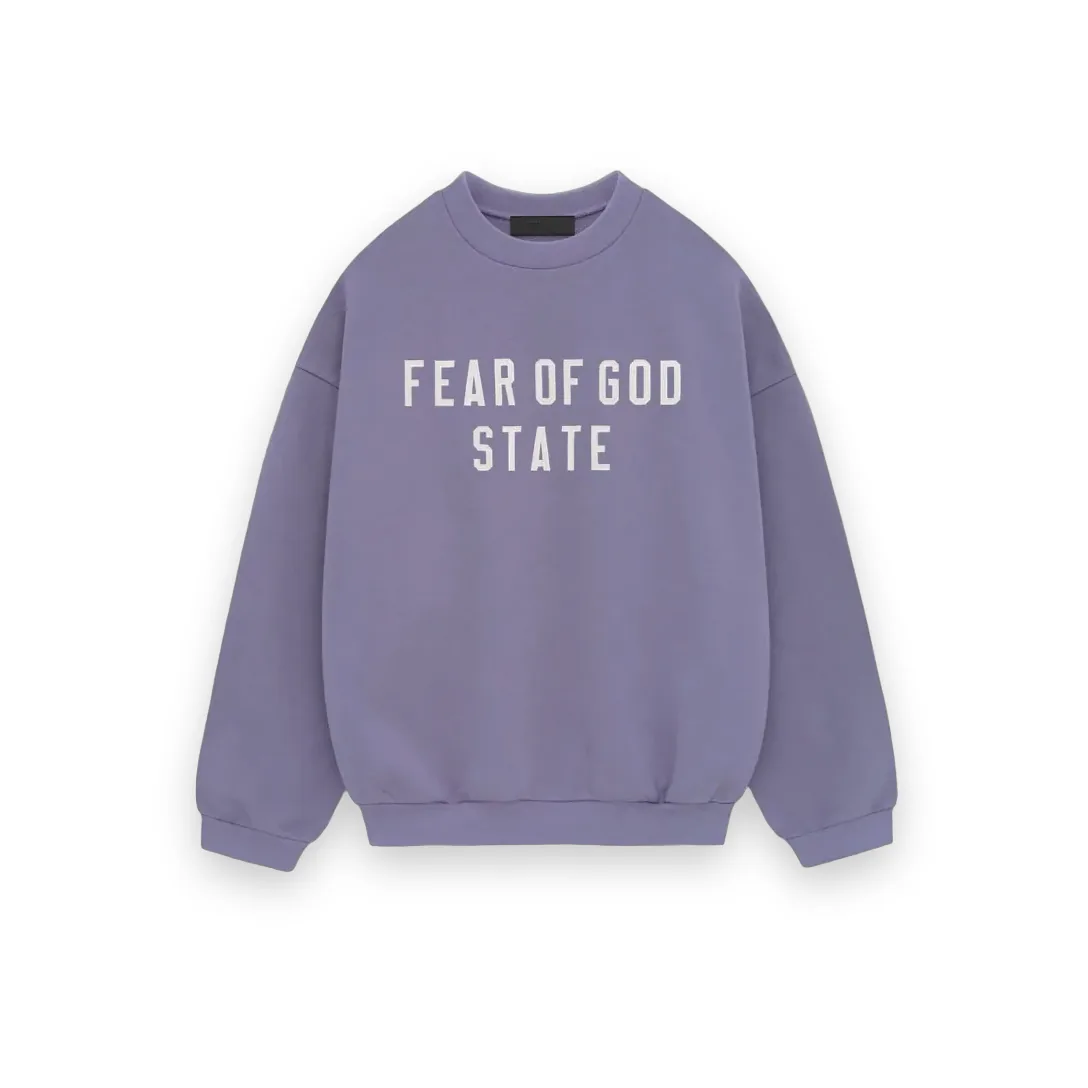
Fear of God Essentials State Hoodie Shell
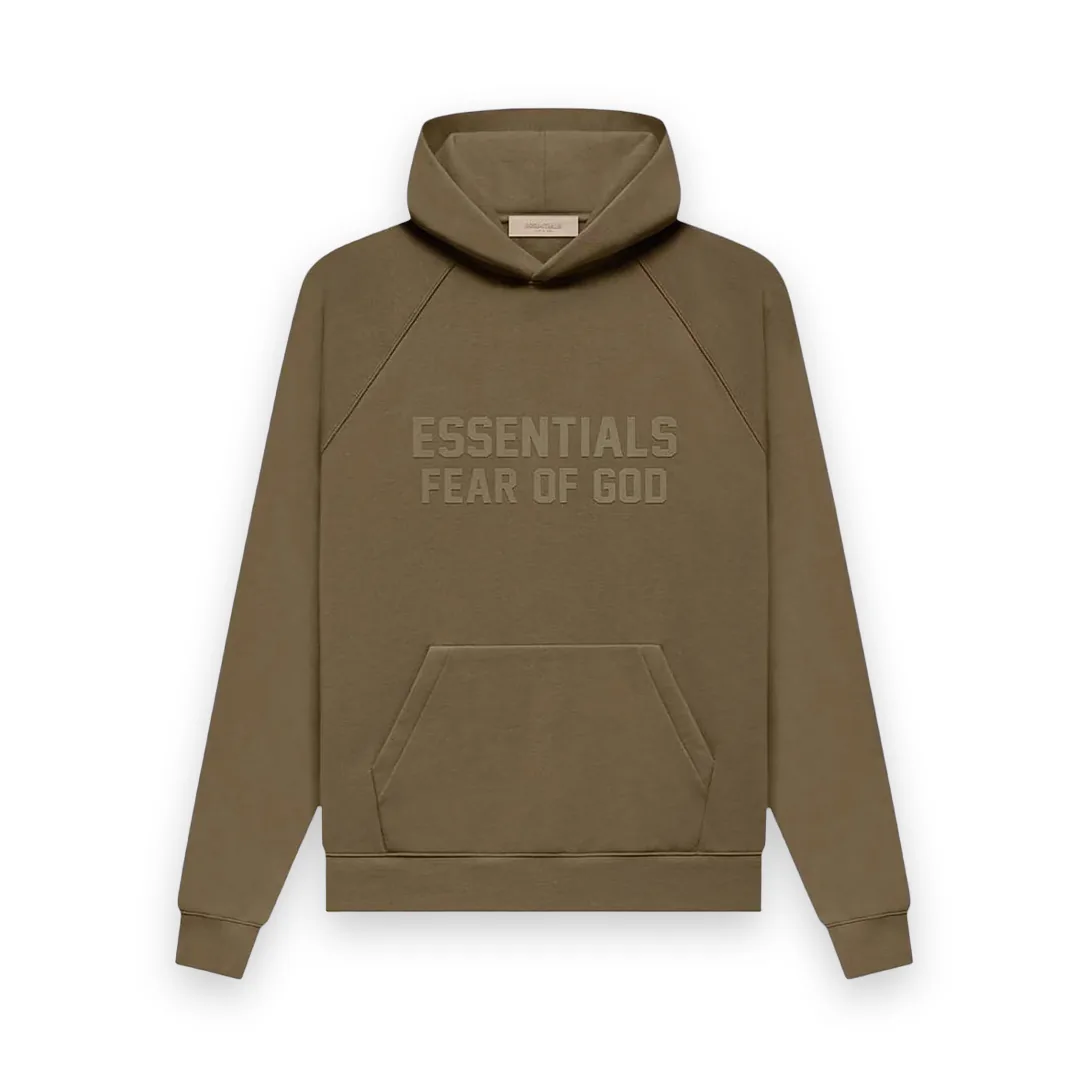
Fear of God Essentials Wood Log Hoodie
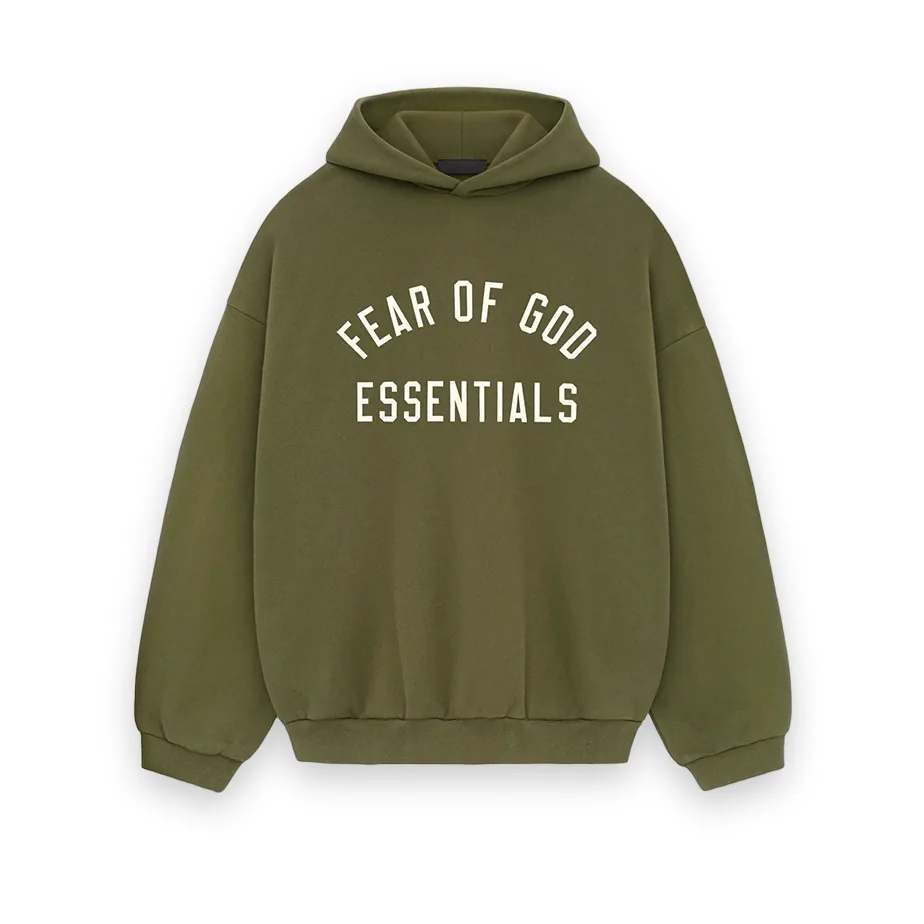
Fear of God Essentials Fleece Hoodie Military Green
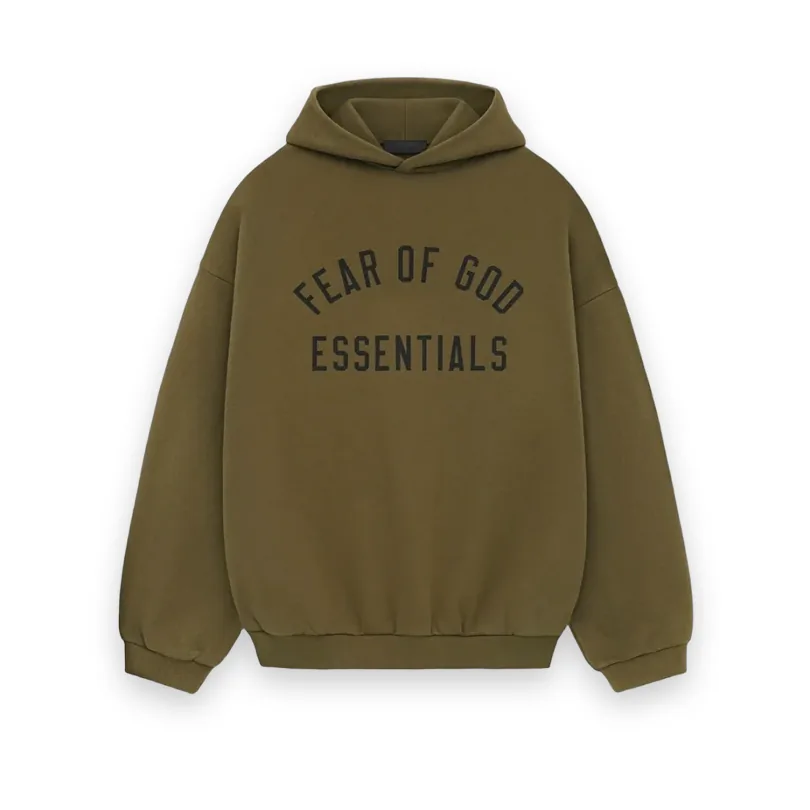
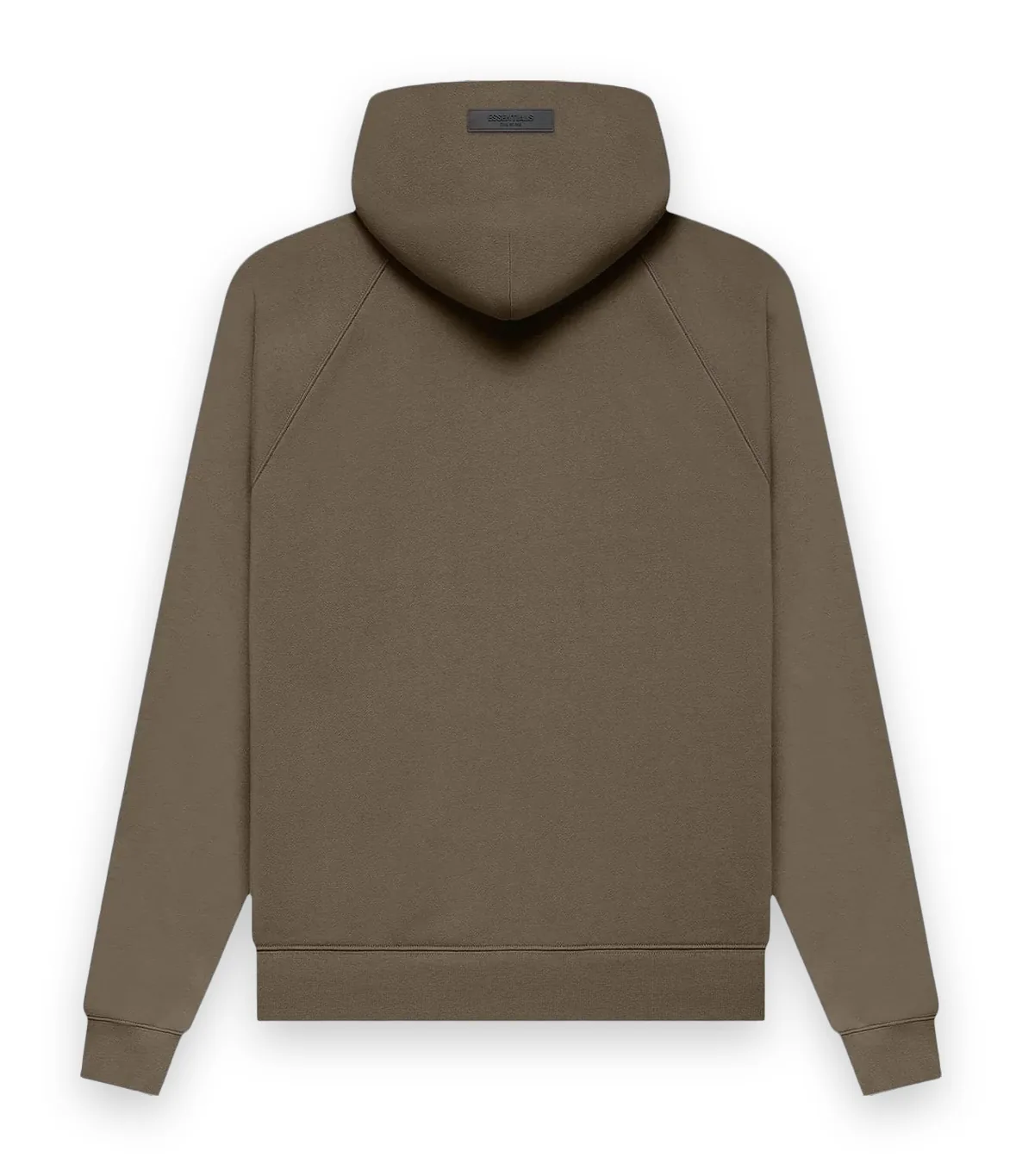
Fear of God Essentials Fleece Hoodie Coffee
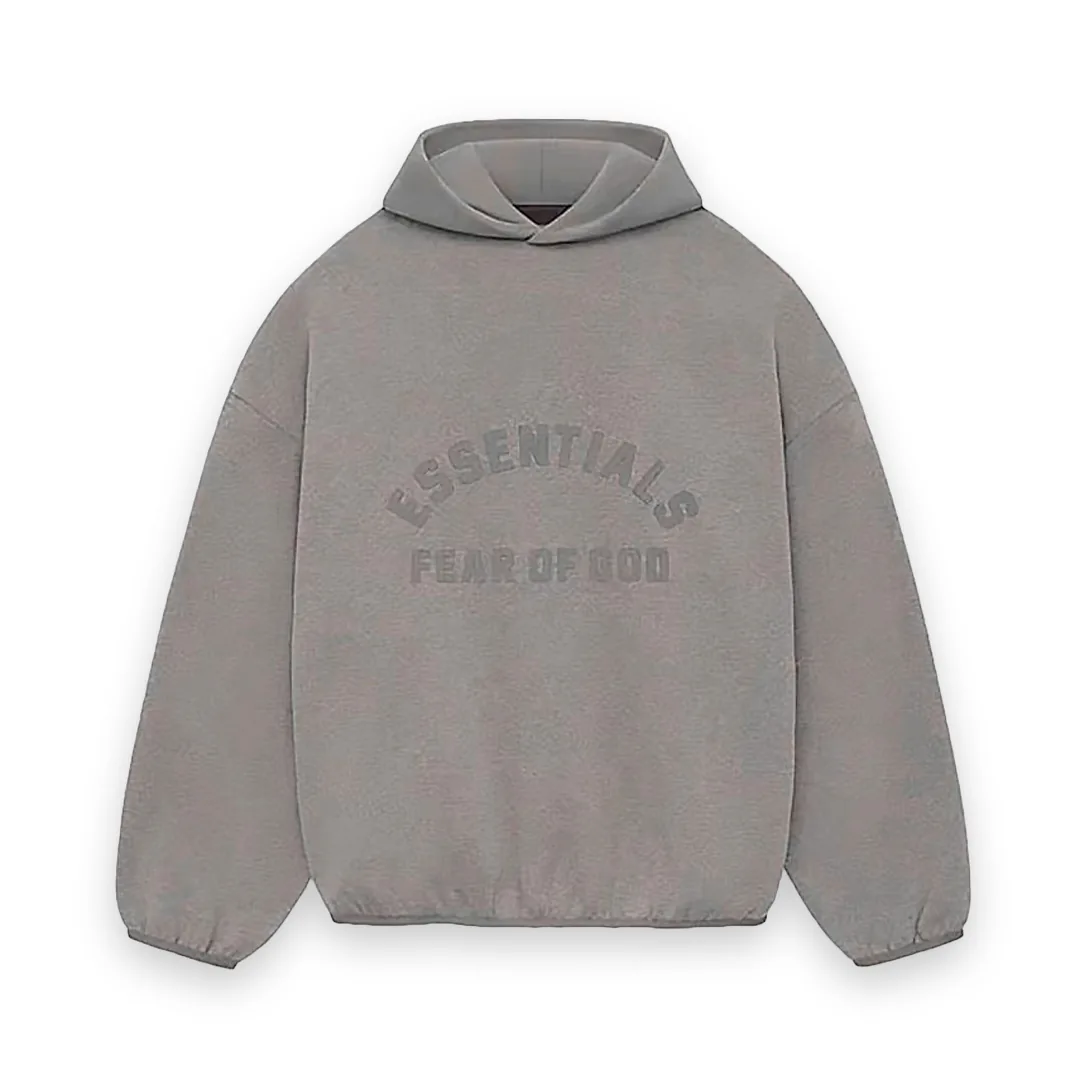
Fear of God Essentials Nylon Fleece Hoodie Seal
Shop by collection · all 7
Browse all →FedEx & DHL, no minimum
Delivery in 7–9 days
Unworn, tags attached
Not resale — every piece
We built this store because finding an authentic Essentials hoodie at a sensible price had become unnecessarily difficult. Stock disappears in minutes, and resale marketplaces push prices to two and three times retail.
We stock the full core range — hoodies, tracksuits, sweatpants, tees, shorts and outerwear — priced against retail, never against resale.
Who Created the Brand?
Essentials was launched in 2018 by Jerry Lorenzo, the American designer behind Fear of God. Fear of God had already established itself as one of the most influential names in luxury streetwear — but it sat at a price point most people could only admire from a distance. Essentials was Lorenzo’s answer to that gap.
The brief was simple. Take the design language of the main line — the proportions, the restraint, the obsession with fabric — and strip out the cost of exclusivity. Not a diffusion line in the cynical sense, where the logo stays and the quality quietly disappears. A genuine attempt to make the everyday version of the thing, and make it properly.
It worked faster than anyone expected. Within a few seasons the hoodie had moved from a streetwear insider pick to something you saw on campuses, in airports, on people who could not name the designer if you asked them. That is usually the sign a piece has stopped being fashion and started being clothing.
Why Simplicity Wins
Most clothing asks something of you. It asks you to commit to a mood, to coordinate around it, to decide whether today is the day for it. Essentials asks nothing.
The neutral palette is doing more work here than it appears. Oatmeal, black, grey, stone, soft browns — these are colours that sit underneath an outfit rather than on top of it. They layer without clashing. They photograph well in any light. They do not date the way a seasonal colour does, which means the hoodie you buy this year still looks current in three.
The oversized cut serves the same purpose. It is not oversized as a statement; it is oversized so that it drapes rather than clings, so that it works over a tee in spring and under a coat in December, so that it fits comfortably across a range of bodies without needing to be tailored to any of them.
This is the part people get wrong when they call minimalism boring. Minimalism is not the absence of design. It is design that has been argued down to only what survives. Every seam that stayed, stayed for a reason.
What Makes It Different?
Pick up an Essentials hoodie and the first thing you notice is the weight. This is not the thin, papery fleece that comes out of fast fashion supply chains and pills after four washes. It is a dense brushed cotton fleece with real loft, the kind that holds its shape through the dryer and gets softer rather than thinner.
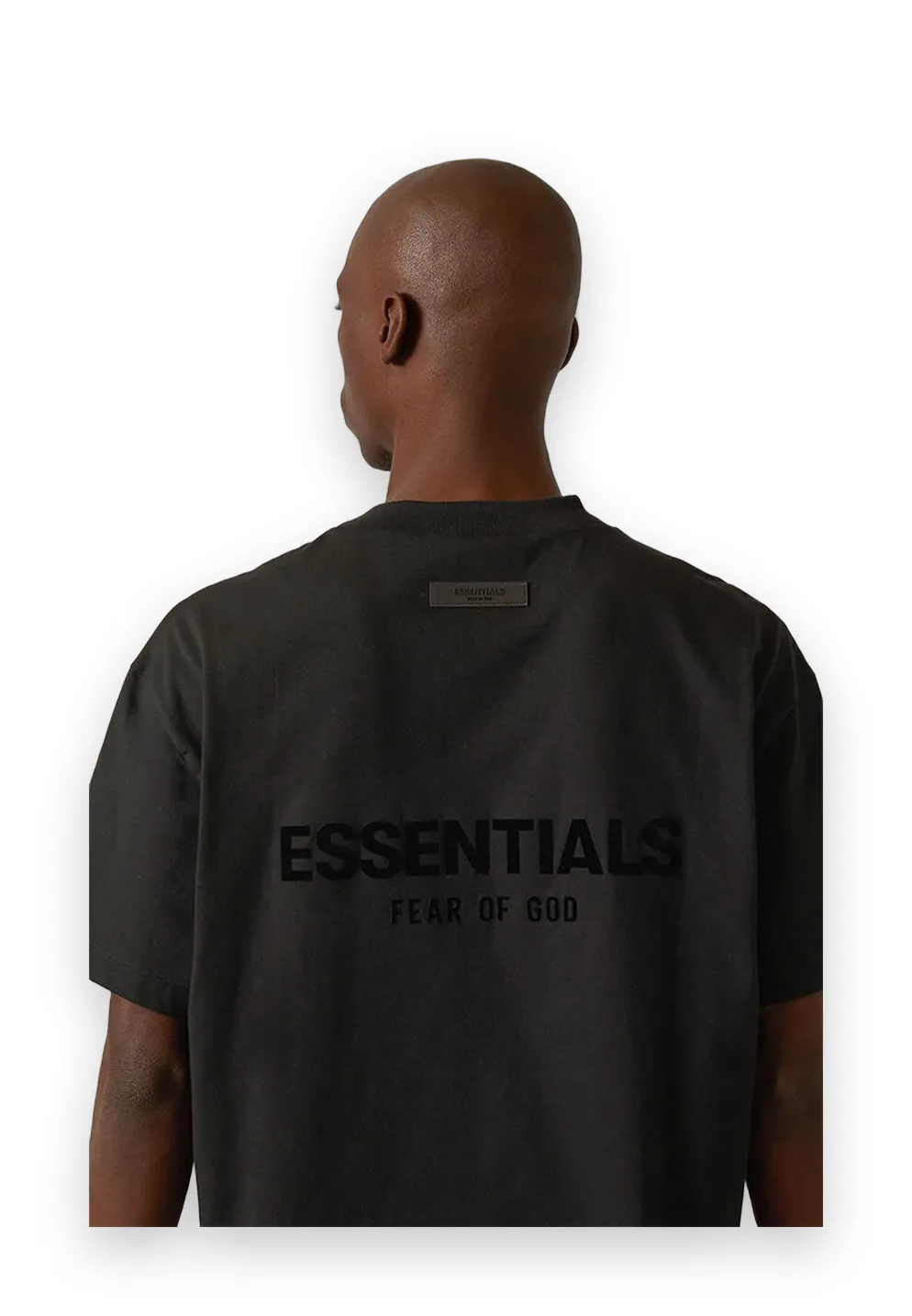
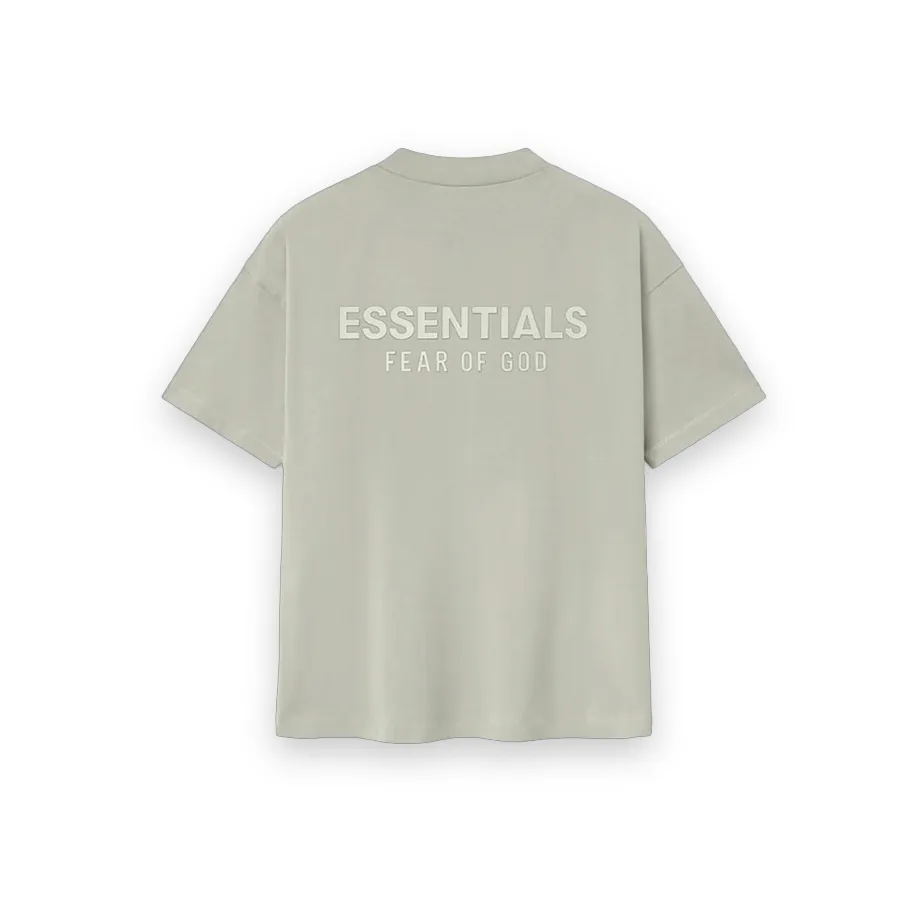
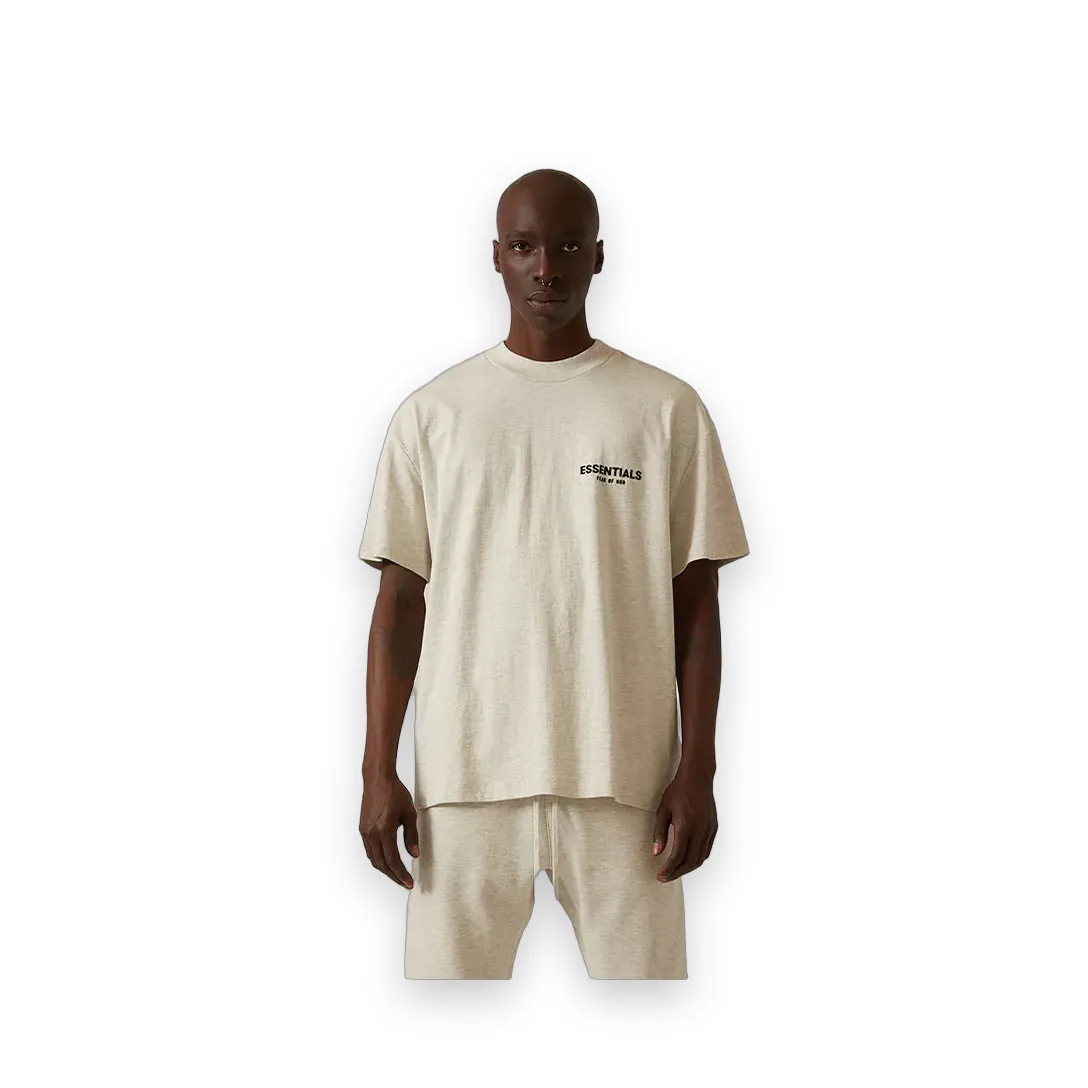
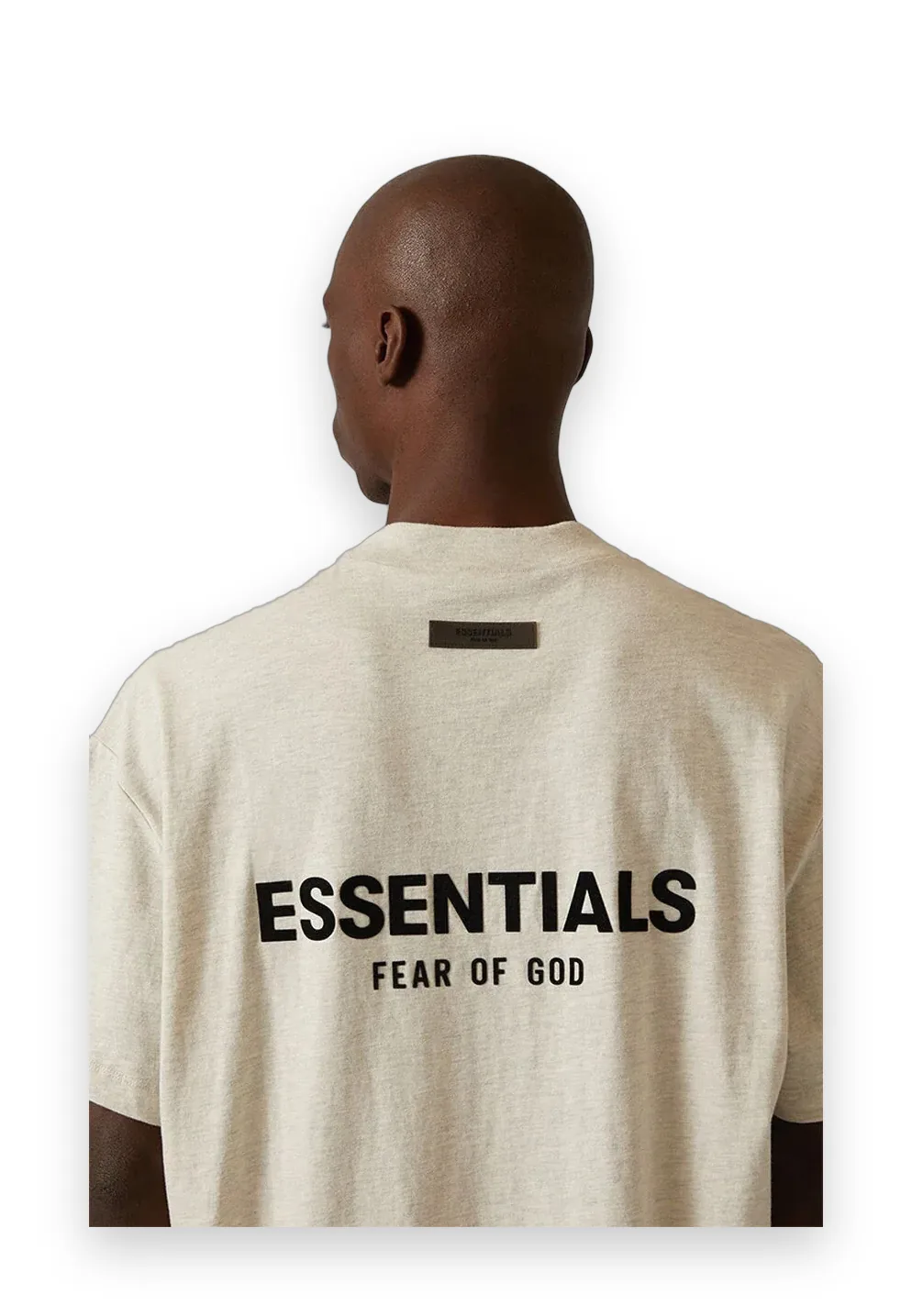
The logo is the second tell. Rather than a screen print that cracks, the branding is rendered in a raised rubberised application, tonal against the fabric so it reads as texture before it reads as a name. Look closely at the stitching and you find flatlock seams at the stress points, a ribbed hem with genuine recovery, and a drawcord that does not fray into nothing after a month.
Then there is the shoulder. The seam sits below the natural shoulder line, which is what gives the hoodie its characteristic drop and its relaxed hang through the chest. It is a small construction choice that changes how the entire garment moves.
Compare all of this to the main Fear of God line and the gap is narrower than the price difference suggests. You are not buying a lesser garment. You are buying a garment that has been engineered to be made at scale, and that is a different thing entirely.
Who Wears It?
Almost nobody buys this hoodie because it signals membership of anything. That is precisely why so many people buy it.
It works on a nineteen-year-old with cargo pants and chunky sneakers. It works on a thirty-five-year-old wearing it under a wool overcoat on the way to a meeting. It works on someone who has never used the word streetwear out loud. The design does not insist on a subculture, so it does not exclude anyone from wearing it.
The versatility is not a bonus feature. It is the actual product. What you are paying for is a piece that removes friction from getting dressed — that fits into an existing wardrobe rather than demanding a new one be built around it.
The Rise of a Streetwear Staple
No brand becomes essential overnight, and the path Essentials took is worth understanding because it explains why the hoodie still sells out.
Through the late 2010s, most streetwear labels were pushing in the opposite direction. Bigger graphics, louder collaborations, more aggressive silhouettes, faster drop cycles. The competition was for novelty. Essentials sat that race out entirely and did something far less glamorous: it took the most ordinary garment in the world and refined it, season after season, without changing much at all.
Fabric got slightly better. Proportions got slightly cleaner. The colours got more considered. Nothing about any individual season was exciting. Cumulatively, it produced a hoodie that most people simply preferred to wear.
That is the quiet argument the brand has been making for years now, and the market has largely accepted it. Simple does not have to mean dull. It just has to mean finished.
How to Style It
Everyday Streetwear
The default outfit barely requires thought, which is the point. A neutral hoodie, a pair of black cargos or loose-fit denim, and clean white sneakers. Everything is tonal, nothing competes, and the proportions do the work — volume up top balanced against a tapered or straight leg below.
Joggers are the other obvious route, particularly if you want the outfit to read as intentionally relaxed rather than accidentally casual. Keep the footwear simple. A chunky trainer adds weight to the bottom of the silhouette; a low-profile sneaker keeps it light. Either works. What does not work is adding a third loud element — the hoodie is already the anchor, and it does not need help.
Layering Through the Seasons
The hoodie’s real range shows up when the temperature drops. Because the fabric holds its structure and the colours stay neutral, it slides underneath a bomber, a denim jacket, or an oversized wool coat without bunching or clashing.
In autumn and spring, reverse the logic: wear it over a long-sleeve tee, sleeves pushed slightly, hood flat under a light shell. The weight is enough for a cold morning and light enough that you are not carrying it by noon.
The only real rule is to let the hoodie sit as the middle layer or the outer layer, never fight the coat above it. Neutral tones mean it almost never will.
Fit and Sizing Guidance
The cut runs generously. That is a design decision, not an accident, and it is the single most common thing people get wrong on their first order.
If you want the intended silhouette — dropped shoulder, roomy through the body, hem sitting just past the waistband — take your true size. The oversized effect is already built in. If you prefer something closer to a standard fit, size down one. If you want a genuinely boxy, exaggerated look, size up one, but be aware the shoulder seam will sit noticeably lower on the arm.
A few notes worth having before you order:
- Sleeves run long. This is deliberate and reads as intentional, not ill-fitting.
- The body is wide relative to the length. Taller wearers sometimes prefer to stay true to size rather than sizing up.
- Fleece has minimal shrinkage when washed cold and dried low. Follow the care label and the fit you buy is the fit you keep.
- Women often prefer sizing down one from their usual unisex pick, unless the oversized drape is the goal.
Every product page carries flat-lay measurements in inches and centimetres. Measure a hoodie you already own and compare rather than guessing.
What Does It Cost?
Retail sits well below what the Fear of God main line commands, and that gap is the entire reason Essentials exists. Pricing varies by piece, fabric weight and season — heavier fleece and limited colourways carry a premium over core basics.
Where things get distorted is resale. When a colourway sells through, it moves to secondary marketplaces and the price stops reflecting the garment and starts reflecting scarcity. People routinely pay well over retail for a hoodie identical to one that was sitting on a shelf six weeks earlier.
We price against retail, not against resale. Stock is stock. When we run a sale it is because we are moving through a season, not because we are staging urgency. If a piece is listed, it is available at the price shown.
How to Tell a Real One
Counterfeits are common, and the good ones are convincing at a glance. They are far less convincing under inspection. Here is what to check.
- The logo texture. Authentic branding is raised and rubberised with soft, clean edges. Fakes tend to use a flat print, or a rubberised application with visible bleed at the corners.
- The neck tag. Font weight, spacing and line breaks are consistent across authentic pieces. Crowded kerning, a slightly-off typeface, or a tag stitched crookedly into the collar are immediate signals.
- Fabric weight. Hold it. Real fleece is dense and has loft. Counterfeits almost always feel lighter than they should, because fabric is the most expensive corner to cut.
- The drawcord and eyelets. Cords should be flat, thick and evenly finished. Eyelets should be cleanly set with no visible adhesive or fraying.
- Seams. Turn it inside out. Straight, even stitching with clean finishing throughout. Loose threads and inconsistent seam width are not a quality-control slip; they are a different factory.
- Where you bought it. The most reliable check of all. A price far below the market is not a deal.
Everything we stock is verified before it ships. If anything you receive fails a single one of the checks above, send it back and we cover the return.
Why Shop With Us
Verified authenticity. Every piece is checked against tag, logo, fabric and construction before it leaves us. No exceptions, no grey-market sourcing.
Retail pricing. We price to sell, not to speculate. You will not find resale markups here, and our sales are real reductions rather than inflated strike-throughs.
Tracked shipping. Every order ships with a tracking number issued the moment it leaves the warehouse. You will know where it is.
Straightforward returns. Wrong size, changed your mind, or something is not right — return it within the stated window in original condition and we process the refund without a negotiation.
Secure checkout. Encrypted payments across all major cards and wallets. Your details are never stored on our servers.
Frequently Asked Questions
Where can I buy an Essentials hoodie?
Directly here. We stock the full core range across all standard colourways and sizes, with new stock added as seasons drop. Everything listed is in hand and ships from our warehouse.
Is this a Christian brand?
No. The confusion comes from the name of the parent label, Fear of God, which is a scriptural phrase Jerry Lorenzo chose for personal reasons. The brand itself has no religious affiliation, promotes no doctrine, and is designed for and worn by people of every background. The clothing is clothing.
Does it run big?
Yes. The oversized cut is intentional. Order your true size for the intended fit, size down one if you prefer a standard silhouette. See the sizing section above for detail.
Is Essentials the same as Fear of God?
Same designer, same design philosophy, different line. Fear of God is the flagship luxury label. Essentials is its accessible counterpart, built to deliver the same restraint and proportion at a fraction of the price. Related, not identical.
Is it worth the price?
If you measure by cost per wear, it is one of the easiest arguments in streetwear. The fleece survives years of washing, the neutral colours never fall out of rotation, and the fit works across seasons. Most people who buy one end up buying a second.
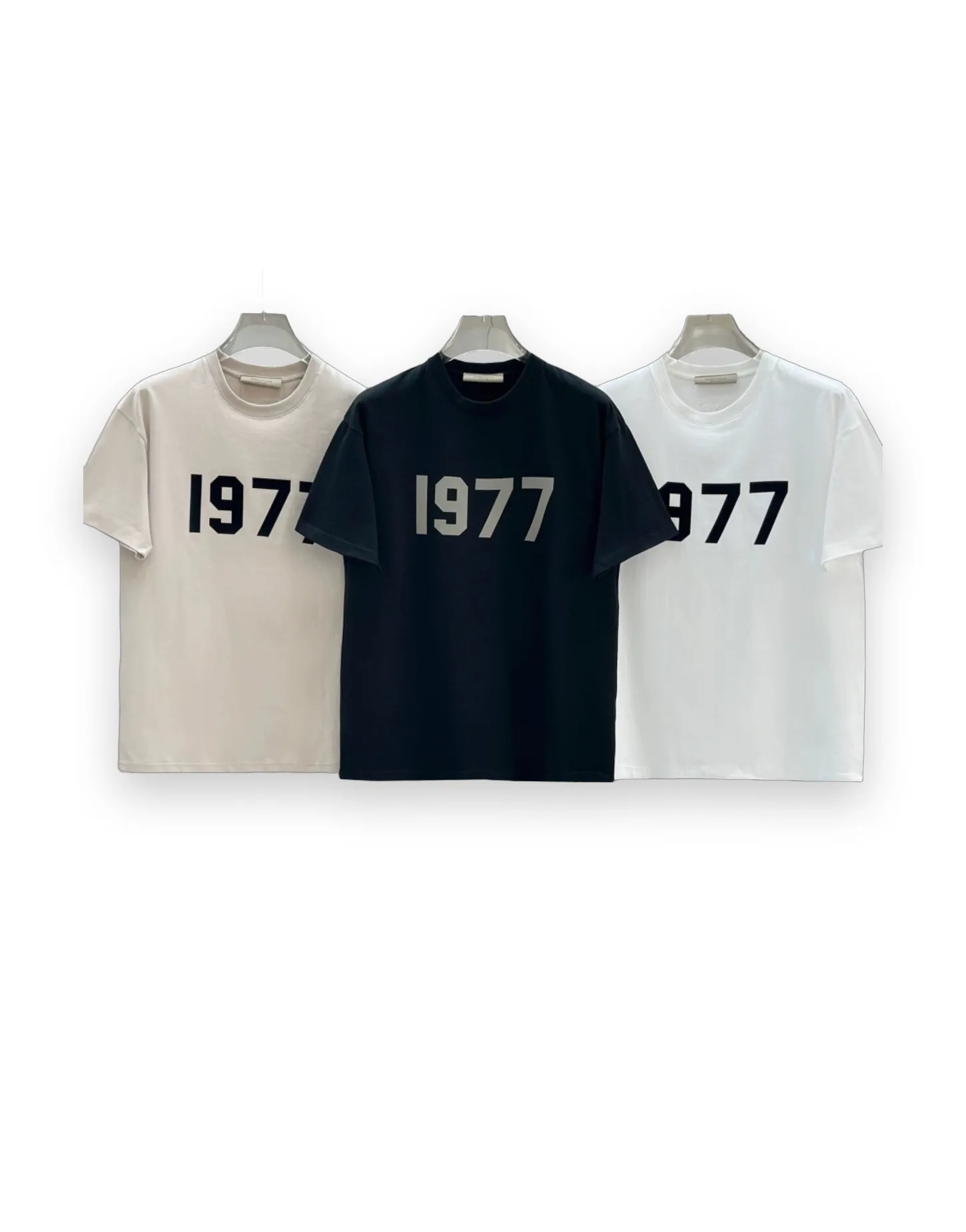
What is the 1977 release?
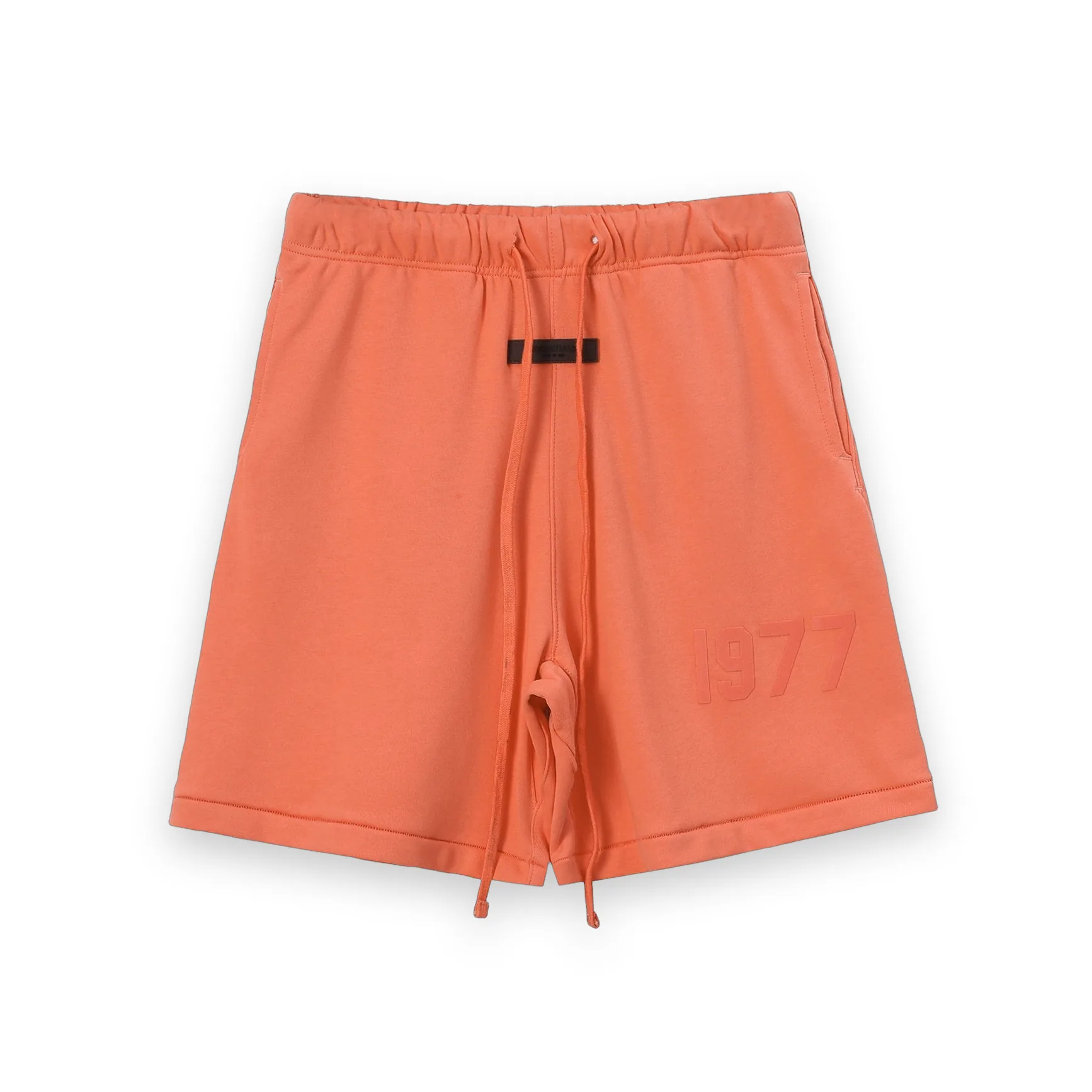
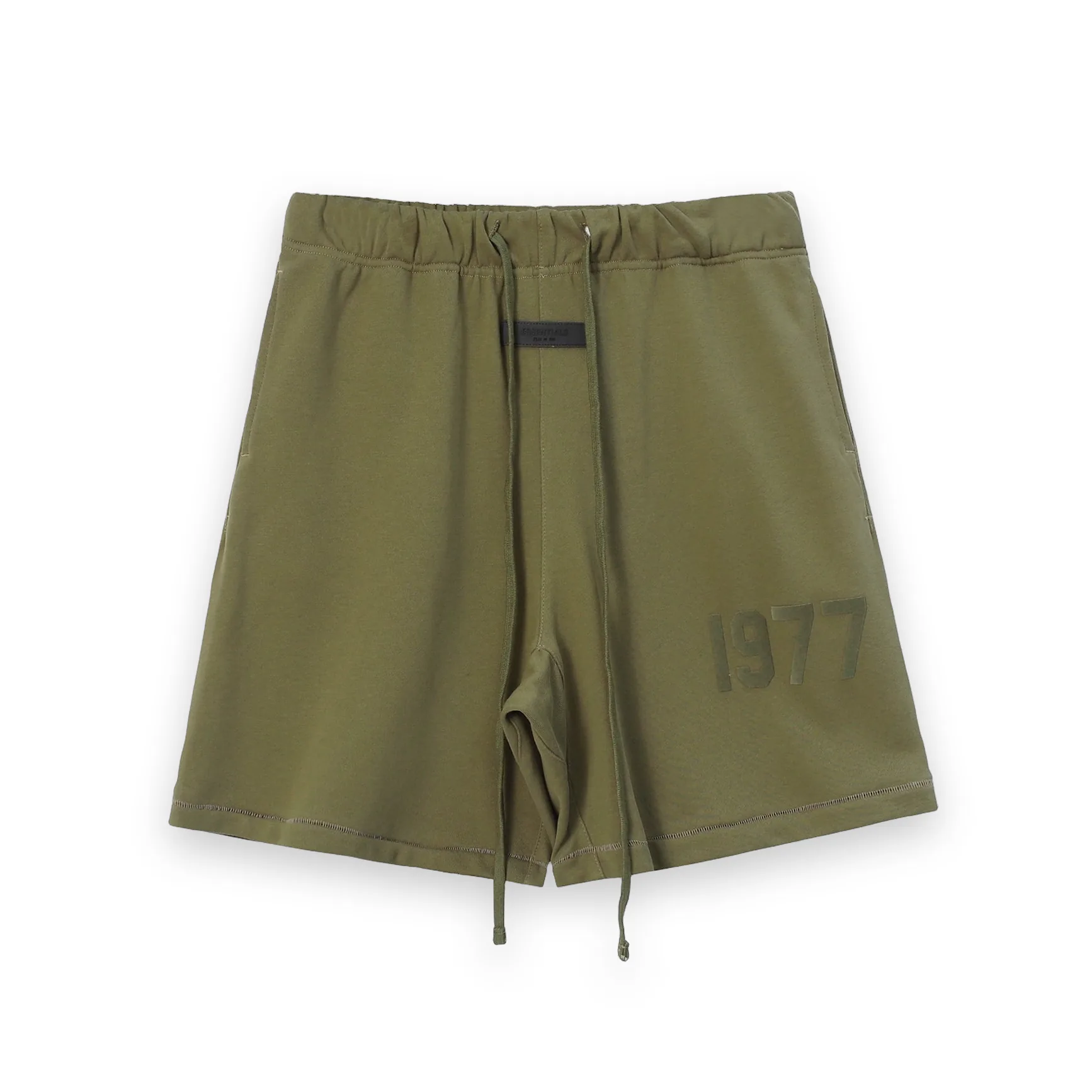
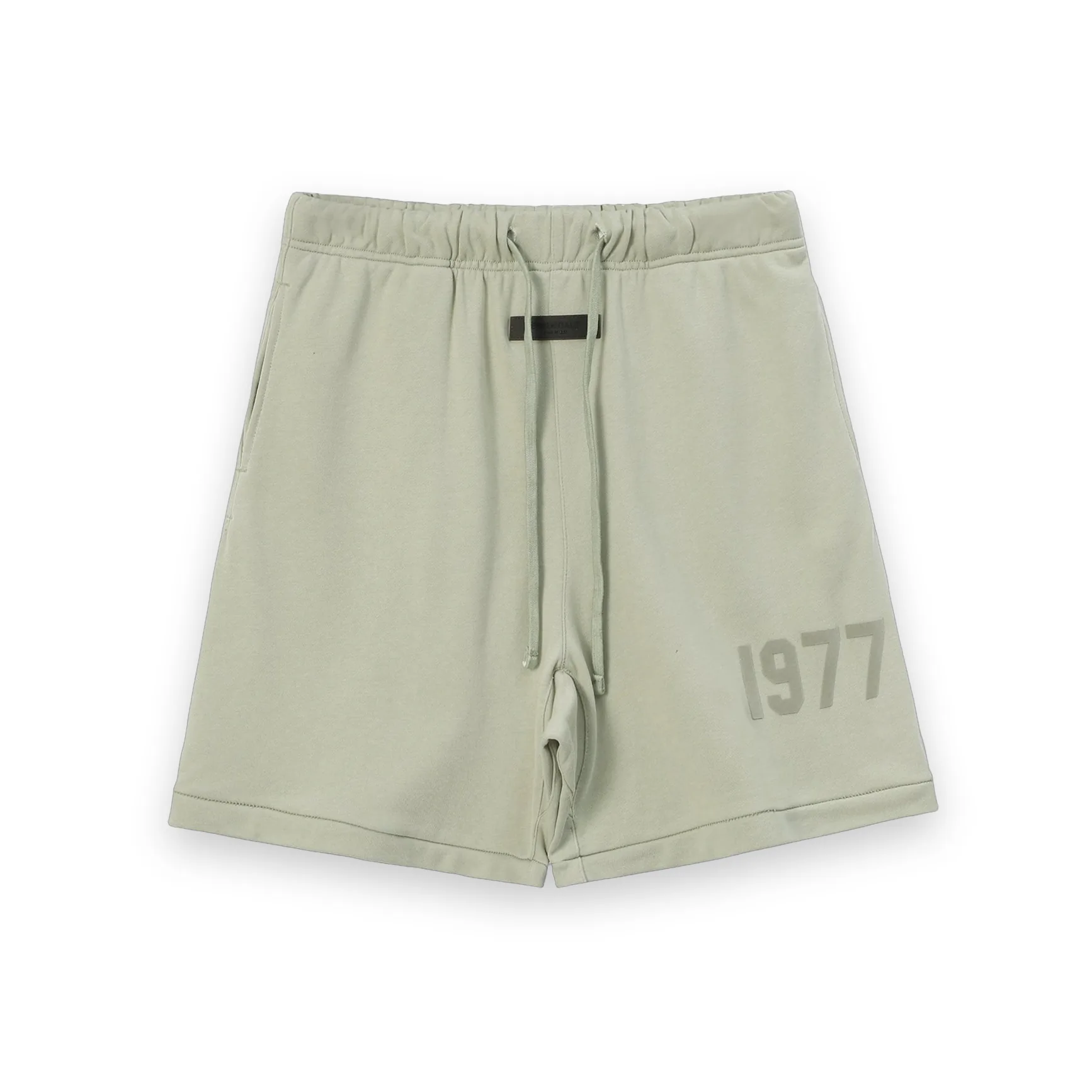
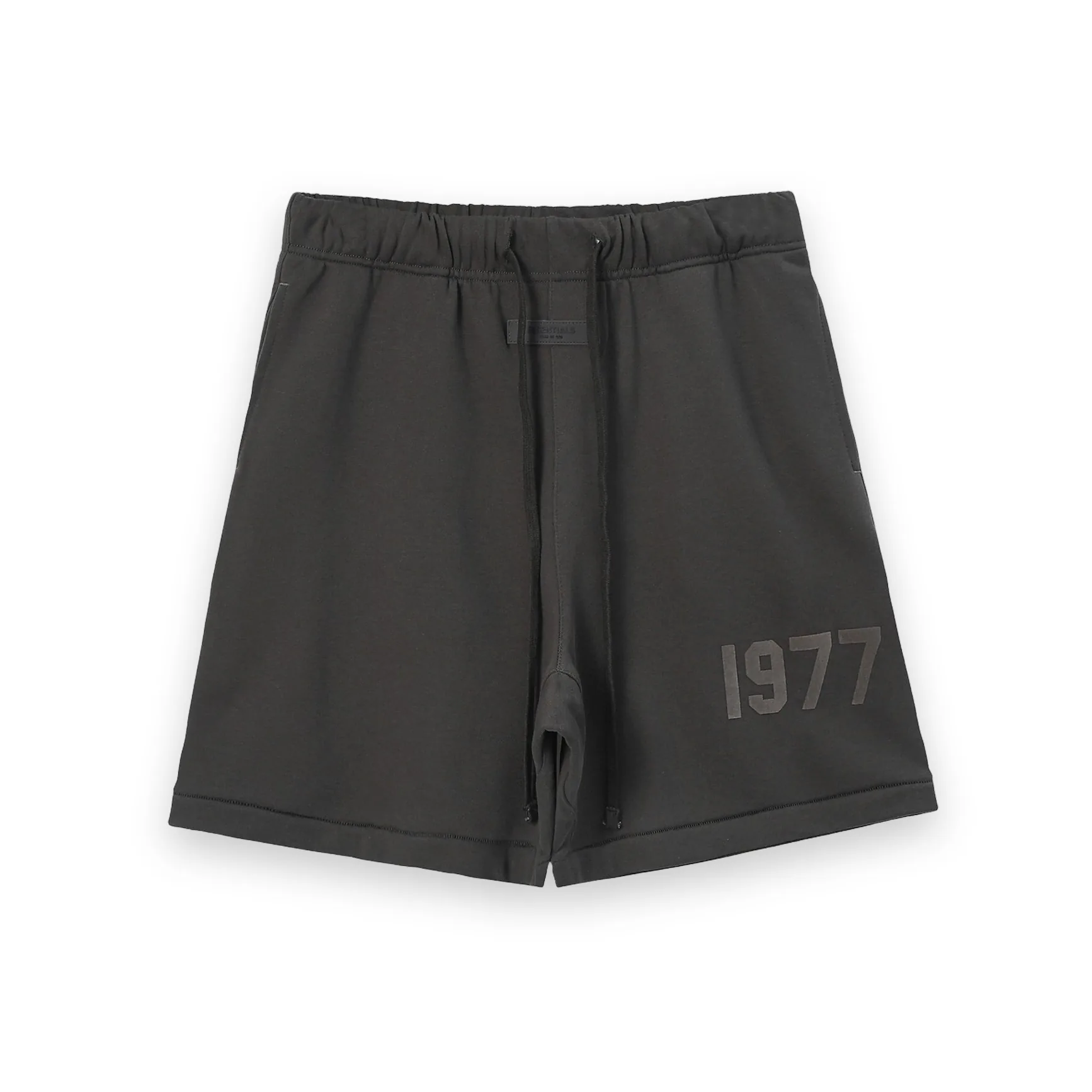
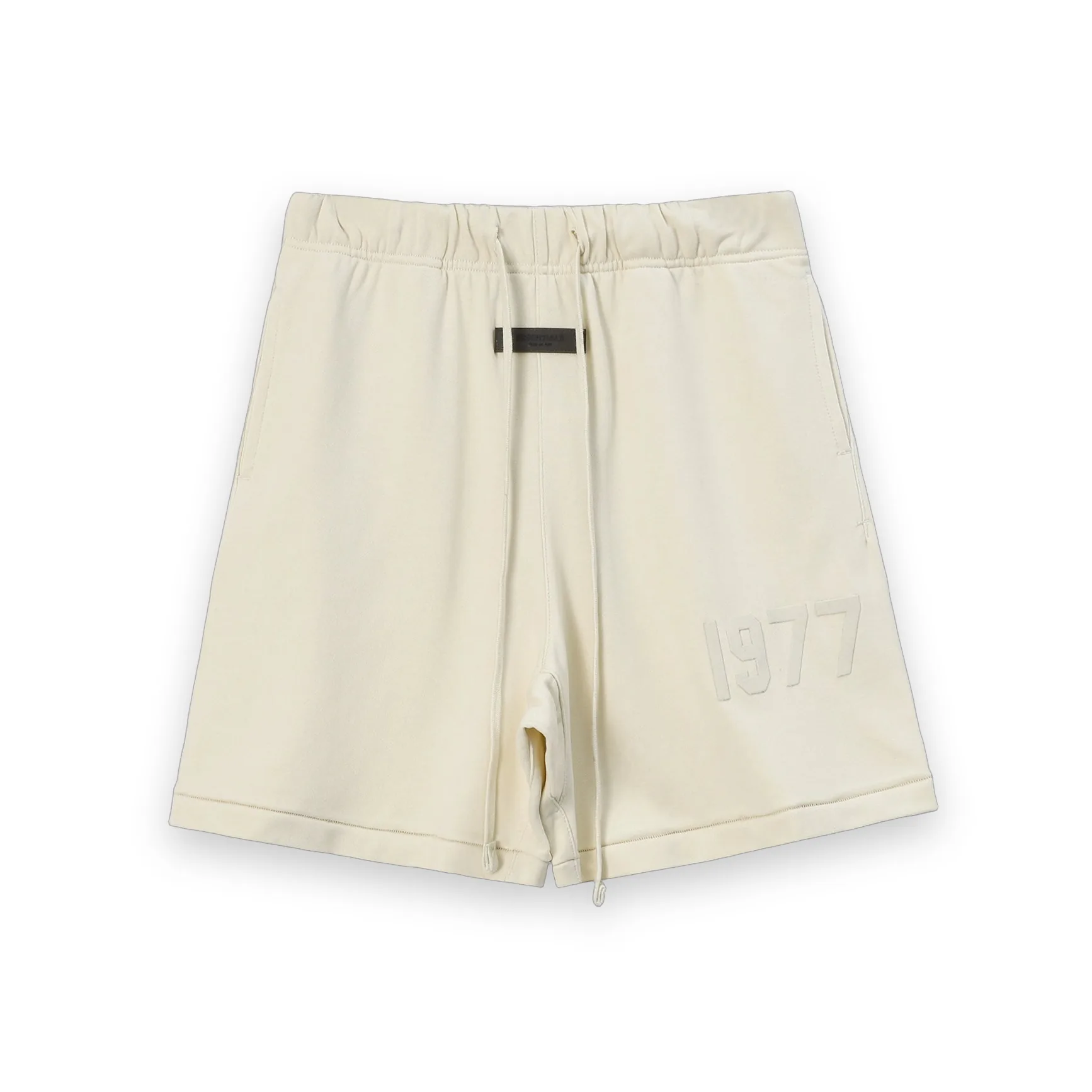
The number is a reference to Jerry Lorenzo’s birth year, printed across the chest on selected pieces. It has become one of the most recognisable and most requested designs in the range, and it typically sells through faster than the core logo hoodies.
Conclusion
Essentials did not become a staple by shouting. It became a staple by making a hoodie good enough that people stopped thinking about what to wear and simply wore it. That is a harder thing to achieve than a loud graphic, and a far more durable one.
Whether you are buying your first piece or replacing one that has finally worn out, start with the core. Neutral, heavyweight, correctly proportioned. It will earn its place in your wardrobe within a week and hold it for years.
Browse the collection below and order today.